Dental veneers in Turkey: A practical guide for international patients
Updated on November 14, 2026 · Esthetic Planet editorial team
Dental veneers in Turkey: What you need to know
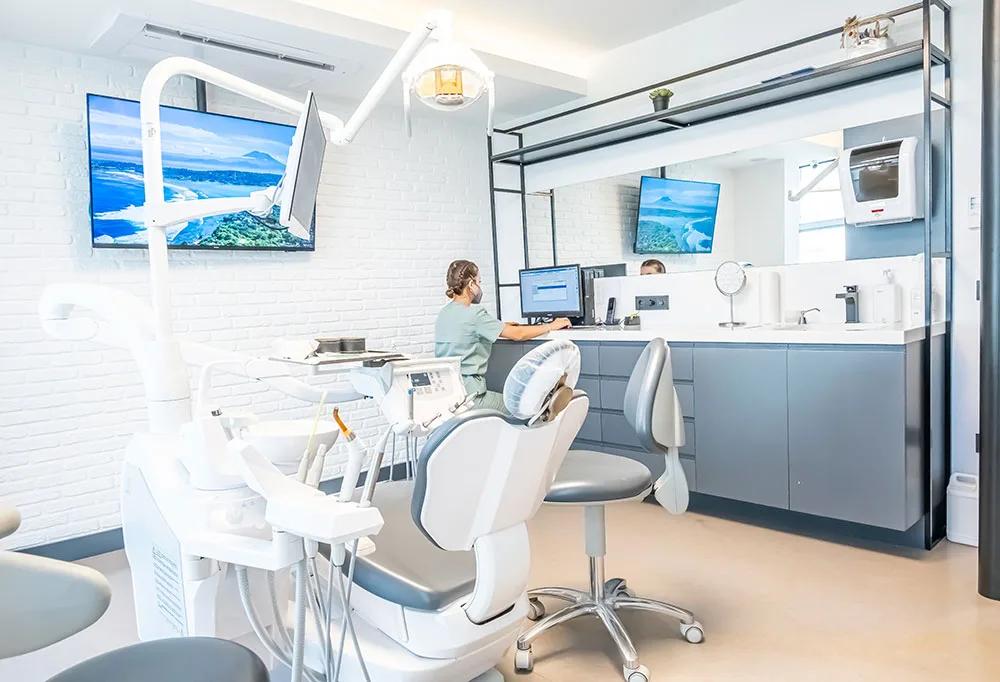
When you search for dental veneers in Turkey, you will find a range of clinics that combine modern technology with skilled dental teams. Most clinics follow international safety standards and use high‑quality ceramic or porcelain materials. The treatment begins with a comprehensive dental examination, including photographs, digital scans and a discussion of your aesthetic goals. The surgeon will then explain whether veneers, crowns or other options are most suitable for your case.
Because each mouth is unique, the final plan—number of veneers, shade selection and preparation depth—is decided only after this in‑person or virtual consultation.
Level of detail in veneer design – A skilled prosthetist can shape veneers to match the natural contours of each tooth, creating variations in length, thickness, and incisal edge design. Modern labs can fine‑tune the anatomy to achieve seamless transitions between teeth, making the result look natural. The most precise work often requires more time in the laboratory and higher‑quality materials, which is where the cost of good veneers is invested.
Shade selection – Experienced technicians can blend up to 10‑15 shade variations within a single veneer to mimic the subtle translucency of natural enamel. This colour layering allows a personalized match to surrounding teeth and can adjust for lighting differences, giving a truly cosmetic outcome.
Materials and marketing terms – You may encounter names such as e.max, zirconium, or composite bonding in clinic brochures. e.max (Lithium‑disilicate ceramic) is known for high translucency and strength, making it a popular choice for front‑row veneers. Zirconium is a very strong ceramic often used for crowns but can be less translucent than e.max, so it’s typically reserved for cases needing extra durability. Composite bonding uses a tooth‑coloured resin applied directly to the tooth; it is less expensive and can be repaired easily, but it generally offers lower longevity and aesthetic depth compared with ceramic options.
A typical consultation includes:
- Review of your dental history and any existing restorations.
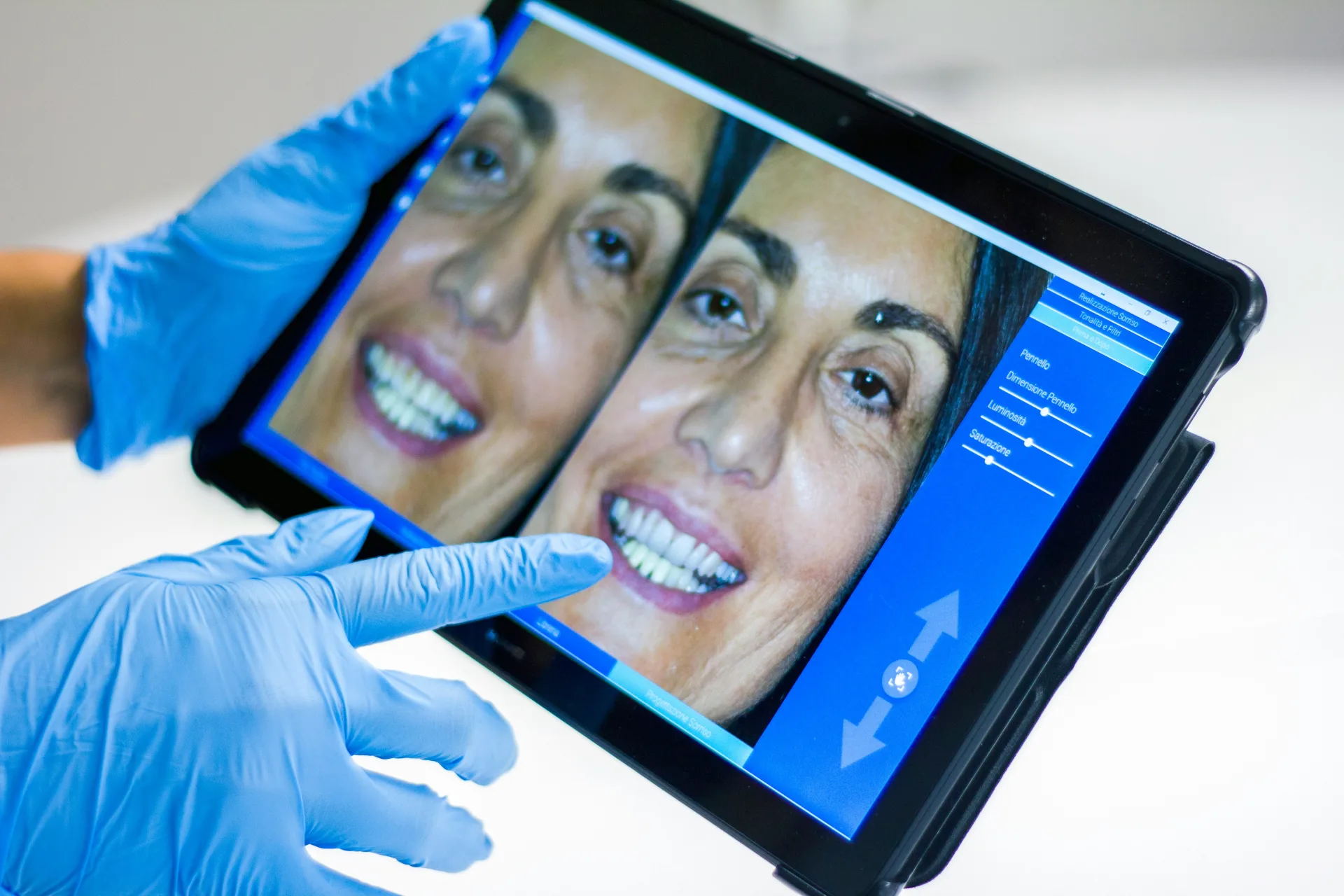
- Visual assessment and digital imaging to map out the ideal smile.
- Discussion of material choices, colour matching and the expected number of visits.
- Explanation of the procedure steps, possible discomfort and post‑treatment care.
The surgeon will answer all questions and may suggest a trial mock‑up to help you visualise the result. This collaborative approach ensures that the final veneers align with your expectations and oral health needs.
Choosing the right clinic and surgeon
Selecting a clinic involves checking for:
- International accreditation (e.g., JCI, ISO).
- Experience of the lead surgeon in cosmetic dentistry and veneer placement.
- Transparent communication about fees, materials and follow‑up visits.
- Patient reviews that focus on overall experience rather than specific outcomes.
Esthetic Planet can provide a curated list of vetted clinics in Istanbul, Antalya and other Turkish cities, helping you compare facilities before you decide. Remember that the final decision rests with the surgeon after the personal assessment.

Travel, accommodation and recovery tips
Travel logistics can be coordinated through a medical tourism facilitator. They can arrange:
- Airport transfers directly to the clinic.
- Hotel rooms close to the treatment centre, often with private bathrooms and easy access for post‑procedure comfort.
- A short stay of 2–3 nights for the veneer placement and immediate follow‑up.
After the veneers are bonded, most patients experience mild tooth sensitivity for a few days. Soft foods and avoiding extreme temperatures help the healing process. The surgeon will schedule a follow‑up visit to check the fit and colour, which can be done in person or via a secure video call.
Travel logistics can be coordinated through a medical tourism facilitator. They can arrange:
- Airport transfers directly to the clinic.
- Hotel rooms close to the treatment centre, often with private bathrooms and easy access for post‑procedure comfort.
- A short stay of 2–3 nights for the veneer placement and immediate follow‑up.
Because most veneers require laboratory fabrication, the typical trip lasts a couple of days – usually a stay of 2–3 nights to allow the lab work to be completed and the final placement to be performed.
After the veneers are bonded, most patients experience mild tooth sensitivity for a few days. Soft foods and avoiding extreme temperatures help the healing process. The surgeon will schedule a follow‑up visit to check the fit and colour, which can be done in person or via a secure video call.
The overall cost of a full veneer treatment can vary widely. While very low‑priced options may seem attractive, they often involve lower‑quality materials and limited work from the prosthetist, such as minimal colour refinement. This can result in a final appearance that looks cheap and may require replacement later, ultimately increasing the total expense.
Frequently asked questions
How many appointments are usually needed for veneers?
The process typically involves an initial consultation, a tooth‑preparation visit and a final placement appointment. Some clinics can combine preparation and placement into a single day, depending on the case. The whole treatment usually takes a couple of days to do the laboratory work.
Will I need any special after‑care products?
Your surgeon will recommend a gentle toothpaste and a soft‑bristle toothbrush. A fluoride rinse may be suggested for the first few days to reduce sensitivity.
Can I compare the final colour before the veneers are placed?
Many clinics use digital smile design software to show a realistic preview. Some also provide a temporary mock‑up to let you feel confident about the shade and shape.
Is anesthesia required for veneer placement?
Local anesthesia is usually sufficient to ensure comfort while the tooth surface is prepared. The surgeon will discuss the best option for you during the consultation.
What should I pack for my trip?
Bring your passport, any dental records, a copy of the treatment plan, comfortable clothing, and any medications you regularly use.
Ready to start your smile transformation journey? Get my free quote