
4.4 · 11 reviews
4.4 · 11 reviews
Gastric Balloon
Gastric Balloon Radical Weight Loss swallowable Balloon
The gastric balloon is a non-surgical procedure used for weight loss in individuals suffering from obesity. It is a popular method that can be performed abroad, providing an effective solution for patients seeking safe and affordable bariat
Key information at a glance
From
€1,350
Anesthesia
The insertion and removal of the gastric balloon can…
Read moreDuration
The insertion or removal of the gastric balloon is a…
Read moreResults
The goal is to return to a normal BMI, which is a BMI…
Read moreRecovery
A radiographic check will be done to verify the…
Read moreProcedure
The gastric balloon is generally recommended for…
Read moreWhat is Gastric Balloon?
Definition of Gastric Balloon
The gastric balloon is a medical device shaped like a balloon that is inserted into the patient's stomach endoscopically. It aims to reduce the stomach's capacity, creating an early satiety sensation and promoting weight loss.
Once placed in the stomach, the remaining space for food is reduced. By occupying ¾ of the space with the balloon, the ghrelin levels increase as soon as the little food the patient ingests occupies the remaining quarter of the stomach. The amount of food is drastically reduced. Weight loss is sustainable and forces the patient to modify their eating behavior.
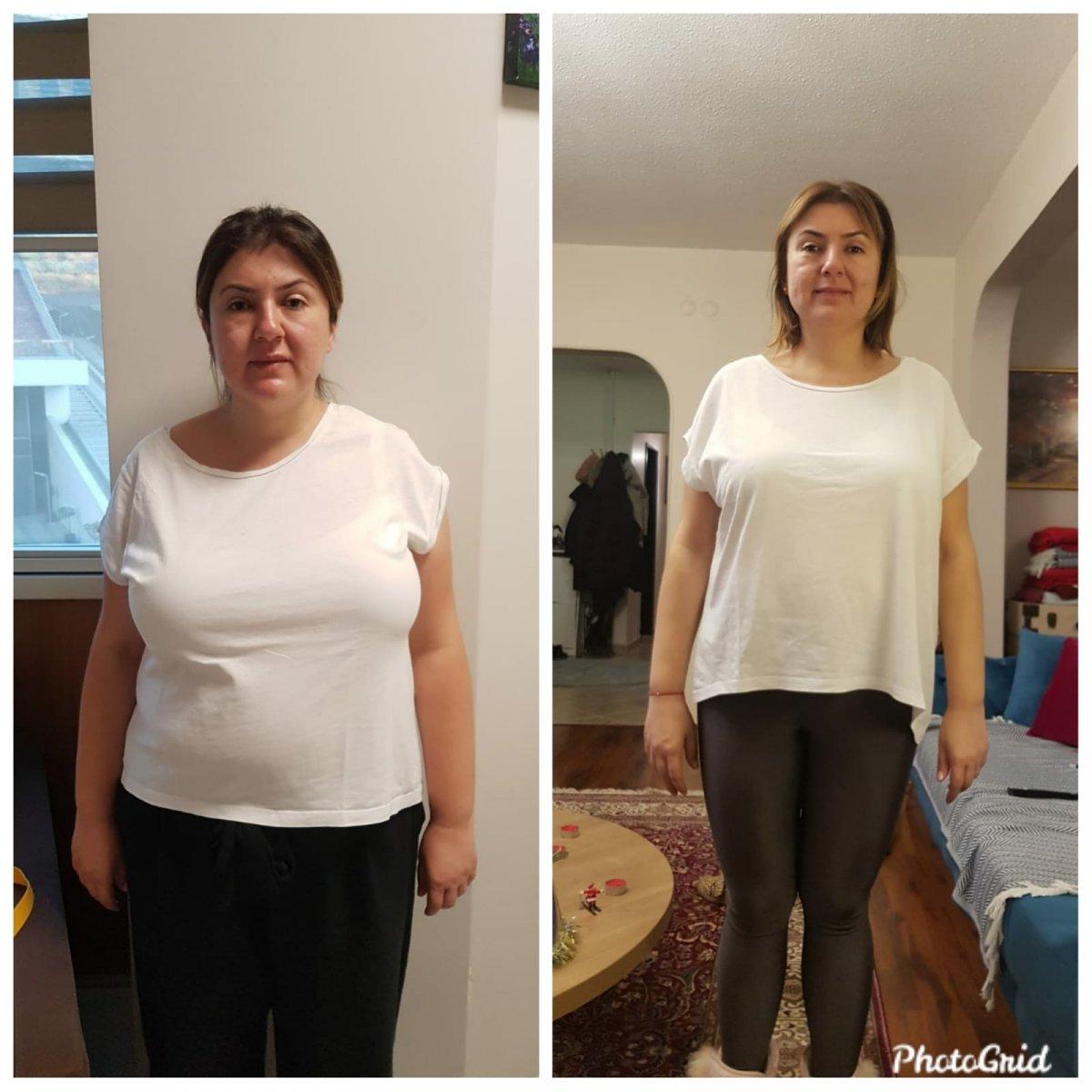
With a gastric balloon, the patient can typically lose between 10 and 20 kilograms, depending on their body size, sometimes more. Most balloons need to be removed after a predetermined period, and the procedure is also outpatient and quick (approximately 30 minutes).
Placing a Gastric Balloon
The gastric balloon is, in fact, a balloon that is inserted into the stomach without surgery to occupy a part of it and allow weight loss through satiety and slowing down food transit. Diet can be re-evaluated, reduced, and re-educated to significantly reduce excess weight.
The placement of the balloon does not require surgery (or minimally invasive surgery), so:
-
no surgery
-
no stitches
-
no scar
The soft silicone balloon is inserted deflated, "endoscopically (through the mouth). Once in the stomach, it is filled with sterile saline solution (physiological serum), which is generally tinted with methylene blue, resulting in green urine as an indicator if it punctures. The liquid is introduced through a small filling tube (catheter) attached to the balloon, which will be removed once the balloon is filled.
The gastric balloon is a means to help a person lose weight by eating less, but it must be integrated into a comprehensive program that includes nutritional advice, physical activity, and psychological support.
Most silicone balloons are placed for 6 months or one year. At the end of 6 months or 1 year, you will need to come to have it removed, except for the dissolvable Elipse balloons.
Different Types of Gastric Balloons
- Liquid-filled intragastric balloon: This type of balloon is filled with a sterile saline solution.
- Air-filled intragastric balloon: This type of balloon is filled with air. This type of balloon is becoming less common.
Different Brands of Gastric Balloons
- MEDSIL: 6-month balloon
- ORBERA365: 12-month balloon
- SPANTZ: 12-month balloon, and adjustable
- ALLURION: Elipse, dissolvable and swallowable balloon.
Procedure Overview
The insertion of the gastric balloon is done endoscopically, meaning no surgical incision is required. Here are the main steps:
- Local anesthesia or mild sedation of the patient.
- Insertion of the balloon into the stomach through an endoscope.
- The balloon is filled with liquid or air once inside the stomach.
- Verification of the correct position of the balloon by medical imaging.
- The balloon remains in place for a predetermined period (usually 6 to 12 months).
- Removal of the balloon by endoscopy at the end of the treatment period.
Materials Constituting the Gastric Balloon
Gastric balloons are generally made of safe and biocompatible materials such as medical-grade silicone. These materials are designed to minimize the risk of allergic reactions or rejection by the body.
When is Gastric Balloon used?
The gastric balloon is generally recommended for patients with a high body mass index (BMI greater than 26) who have not been successful in losing weight with conventional methods such as diet and exercise. Compared to surgical bariatric procedures, the gastric balloon is reversible and does not require major surgery.

Treatment options
Gastric Balloon prices by country
Gastric Balloon





6 months Gastric Balloon
12 months Gastric Balloon
Swallowable Balloon Elipse
Frequently asked questions
How does the treatment work?
Anesthesia
The insertion and removal of the gastric balloon can generally be done under local anesthesia or with light sedation. The choice of anesthesia will depend on the recommendations of the medical team and the patient's preferences.
Sometimes, mild general anesthesia is offered, and other times, local anesthesia is sufficient.
Duration
The insertion or removal of the gastric balloon is a relatively quick procedure, taking about 20 to 30 minutes.
Traveling for a gastric balloon
Getting a Gastric Balloon Abroad in 2 days
To get a gastric balloon in another country, a 3-day, 2-night trip is sufficient.
Day 1 arrival
Day 2 balloon placement
Day 3 Return to home country
Before / After results



What happens after treatment?
A radiographic check will be done to verify the correct placement of the gastric balloon.
A dietary regimen will be provided by the hospital's dietitian.
Some patients may feel a little nauseous the day after, but this is usually temporary, and a return to a normal diet is immediate.
Lifespan of Gastric Balloons
Gastric balloons are designed to remain in place for a predetermined period, typically 6 to 12 months. It is important to adhere to this duration to avoid any risk of complications.
How long do results last?
The goal is to return to a normal BMI, which is a BMI between 18 and 24. The number of kilos lost will depend on your height.
It is important to note that weight loss results vary from individual to individual and depend on many factors, including the patient's commitment to a healthy lifestyle.
Steps to Have a Gastric Balloon
It is essential to consult with a qualified healthcare professional to discuss the gastric balloon options that are best for you and to evaluate your weight loss goals.
The amount of weight lost with a gastric balloon can vary from person to person and depends on several factors, such as lifestyle, commitment to a weight management program, eating habits, and physical exercise. In general, clinical studies have shown that patients who have used a gastric balloon were able to lose an average of between 10% and 15% of their total body weight.
However, it is important to note that weight loss is not the sole goal of a gastric balloon. It also aims to help patients adopt new eating habits, learn better portion control, and modify their relationship with food. The gastric balloon acts as a supportive tool to promote weight loss and facilitate lifestyle changes.
Success Statistics and Risks Associated with the Gastric Balloon
Success statistics vary depending on the patient and their ability to follow medical recommendations regarding diet and physical exercise. Risks associated with the gastric balloon may include minor complications such as nausea, gastric reflux, or temporary ulcers, as well as rarer risks such as balloon migration or rupture.