
4.8 · 3 reviews
4.8 · 3 reviews
Perinatal stem cells
Perinatal Mesenchymal Stem Cells (Allogeneic)
Discover perinatal mesenchymal stem cells (umbilical cord and amniotic fluid), an allogeneic alternative to autologous stem cells, offered by our partner clinics with rigorous traceability and quality control.
Updated on November 6, 2026
The essentials at a glance
From
€2,134
Anesthesia
Because the cells come from a donor (allogeneic), no…
Read moreDuration
The procedure usually takes from one to a few hours in…
Read moreResults
Results vary from person to person and cannot be…
Read moreRecovery
Most people can resume light activity within a day or…
Read moreProcedure
Before treatment, a physician assesses your medical…
Read morePerinatal stem cells: what it is and how it works
Unlike autologous stem cells (harvested from the patient's own body, for example from fat tissue or bone marrow), stem cells derived from umbilical cord tissue and amniotic fluid are allogeneic cells: they come from tissue donated at childbirth, with the donor's consent, then isolated and expanded in a laboratory.
Scientific terminology
These cells belong to the family of perinatal stem cells, a term covering all stem and stromal cells derived from birth-associated tissues (umbilical cord, amniotic fluid, amniotic membrane, placenta), as opposed to adult stem cells (fat, bone marrow).
- Umbilical cord tissue (Wharton's jelly): umbilical cord-derived mesenchymal stem cells, known as UC-MSC (Umbilical Cord-derived Mesenchymal Stem Cells) or WJ-MSC (Wharton's Jelly-derived Mesenchymal Stem Cells).
- Amniotic fluid: amniotic fluid-derived mesenchymal stem cells, known as AF-MSC (Amniotic Fluid-derived Mesenchymal Stem Cells), sometimes noted hAF-MSC for the human origin.
Not to be confused with umbilical cord blood hematopoietic stem cells (HSC), derived from the cord's blood rather than its tissue, and used for different indications (blood disorders).
This perinatal origin gives these cells several advantages sought in regenerative medicine: a higher proliferation capacity than adult stem cells, superior cellular youth, and no invasive harvesting required from the patient receiving treatment.
Strict selection through our partner clinics
This treatment is offered exclusively by partner clinics selected by Esthetic Planet, which work with tissue banks regulated by their country's health authorities. Donors undergo serological and infectious disease screening, and each cell batch undergoes quality control before clinical use. We recommend asking your Esthetic Planet advisor for the specific traceability and certification details of the selected clinic before booking.
Autologous or allogeneic: what's the difference for you?
The choice between autologous stem cells (from your own body) and perinatal stem cells (umbilical cord / amniotic fluid) depends on your medical indication, age, and goals. Our medical advisors can guide you toward the option best suited to your case among our partner clinics.
Perinatal stem cells: who is it for?
Before treatment, a physician assesses your medical history, current medications, allergies and general health during a consultation, and may request tests or imaging. The type of cells, their source, the protocol and the number of sessions are decided by the treating medical team. Tell the clinic about any chronic or autoimmune illness, history of cancer, bleeding disorder or pregnancy. This type of treatment is not suitable for everyone.
Perinatal stem cells: offers from our partner clinics
5 clinics matching your criteria
Miskawaan Health Group (MHG)
Bangkok, Thailand
5.0Google reviews Gold Partner
- Perinatal stem cells · €2,134
from €2,134
from €4,269
from €4,269
from €2,314
from €2,613



Perinatal stem cells: prices by country



Frequently asked questions
How the treatment works, step by step
Anesthesia
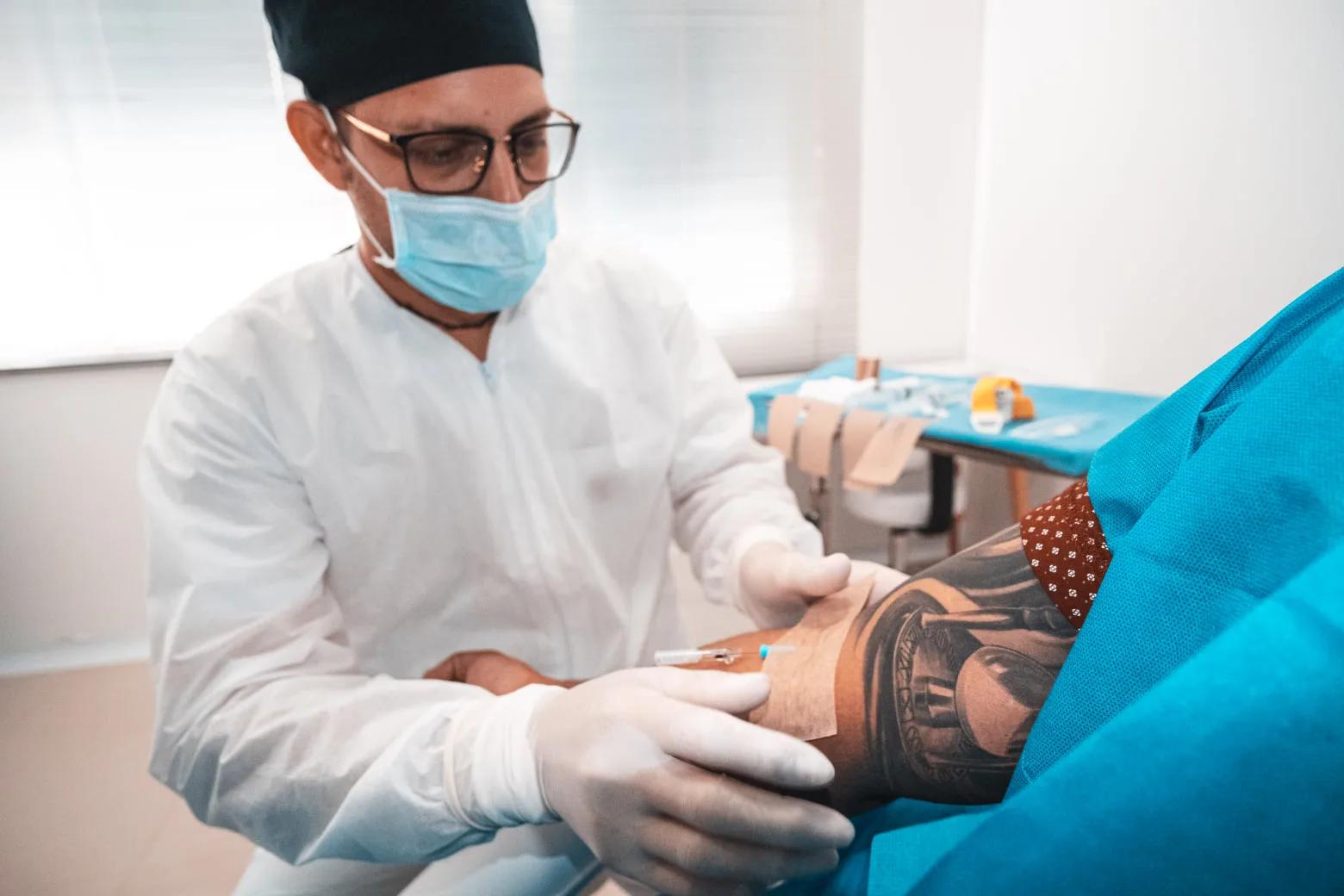
Because the cells come from a donor (allogeneic), no cell harvest from the patient is needed. Injections are usually performed under local anesthesia, and intravenous administration usually needs no anesthesia.
Duration
The procedure usually takes from one to a few hours in total, including preparation, any cell harvest and processing, and administration. The length of the stay abroad depends on the protocol; your clinic will confirm the number of days required and whether follow-up sessions are needed.
What happens after treatment?
Most people can resume light activity within a day or two, although this depends on the protocol. Temporary fatigue, soreness at the injection site or a mild fever may occur. Follow the clinic's instructions, ask your physician when it is safe to travel home, and report any unusual symptoms promptly.
How long do results last?
Results vary from person to person and cannot be guaranteed. Regenerative effects, where they occur, are generally gradual and may take weeks to months to become noticeable. A physician assessment is needed to discuss realistic expectations, risks and alternatives before any decision.