
4.3 · 26 reviews
4.3 · 26 reviews
Rhinoplasty
Rhinoplasty - Nose Surgery Techniques, Postoperative Course, Recovery Ultrasonic Rhinoplasty, Hump and Tip Rhinoplasty
Rhinoplasty, commonly known as a nose job, is a plastic surgery procedure for altering and reconstructing the nose . There are two types of plastic surgery used – reconstructive surgery that restores…
What is Rhinoplasty?
Rhinoplasty, commonly known as a nose job, is a plastic surgery procedure for altering and reconstructing the nose. There are two types of plastic surgery used – reconstructive surgery that restores the form and functions of the nose and cosmetic surgery that changes the appearance of the nose. Reconstructive surgery seeks to resolve nasal injuries caused by various traumas including blunt, and penetrating trauma and trauma caused by blast injury. Reconstructive surgery also treats birth defects, breathing problems, and failed primary rhinoplasties. Rhinoplasty may remove a bump, narrow nostril width, change the angle between the nose and the mouth, or address injuries, birth defects, or other problems that affect breathing, such as a deviated nasal septum or a sinus condition.
In closed rhinoplasty and open rhinoplasty surgeries – a plastic surgeon, an otolaryngologist (ear, nose, and throat specialist), or an oral and maxillofacial surgeon (jaw, face, and neck specialist), creates a functional, aesthetic, and facially proportionate nose by separating the nasal skin and the soft tissues from the nasal framework, altering them as required for form and function, suturing the incisions, using tissue glue and applying either a package or a stent, or both, to immobilize the altered nose to ensure the proper healing of the surgical incision.
Ultrasonic rhinoplasty
Recently, ultrasonic rhinoplasty which was introduced by Massimo Robiony in 2004 has become an alternative to traditional rhinoplasty, Ultrasonic rhinoplasty uses piezoelectric instruments to reshape atraumatically nasal bones, also known as rhinosculpture. Ultrasonic rhinoplasty uses piezoelectric instruments (scrapers rasps, saws) that affect only the bones and the stiff cartilages through ultrasonic vibrations, as the instruments used in dental surgery. The use of piezoelectric instruments requires a more extended approach than the isial one, allowing to visualize the whole bony vault, to reshape it with rhinosculpture or to mobilize and stabilize bones after controlled osteotomies.
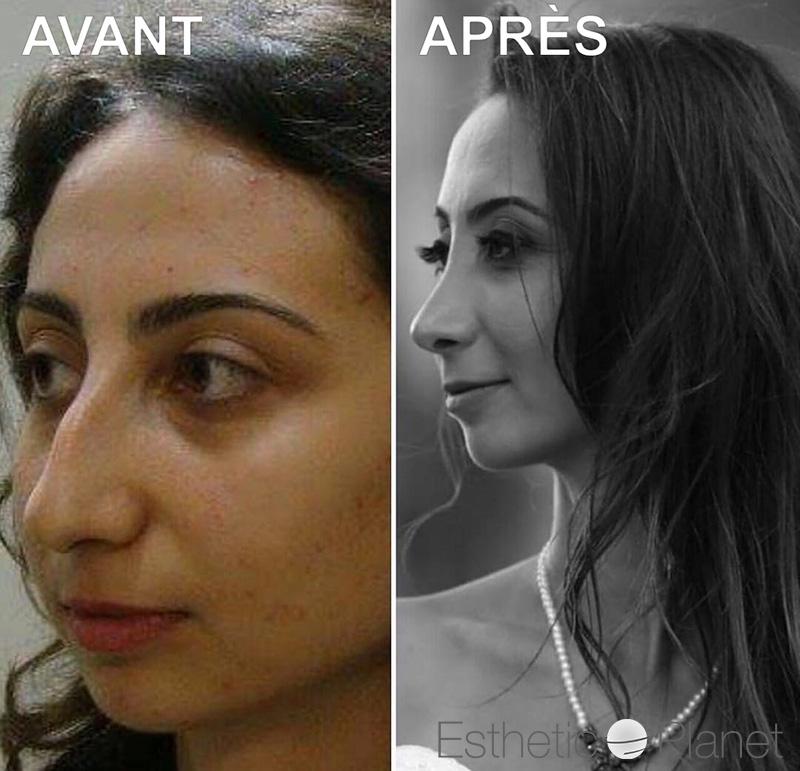
When is Rhinoplasty used?
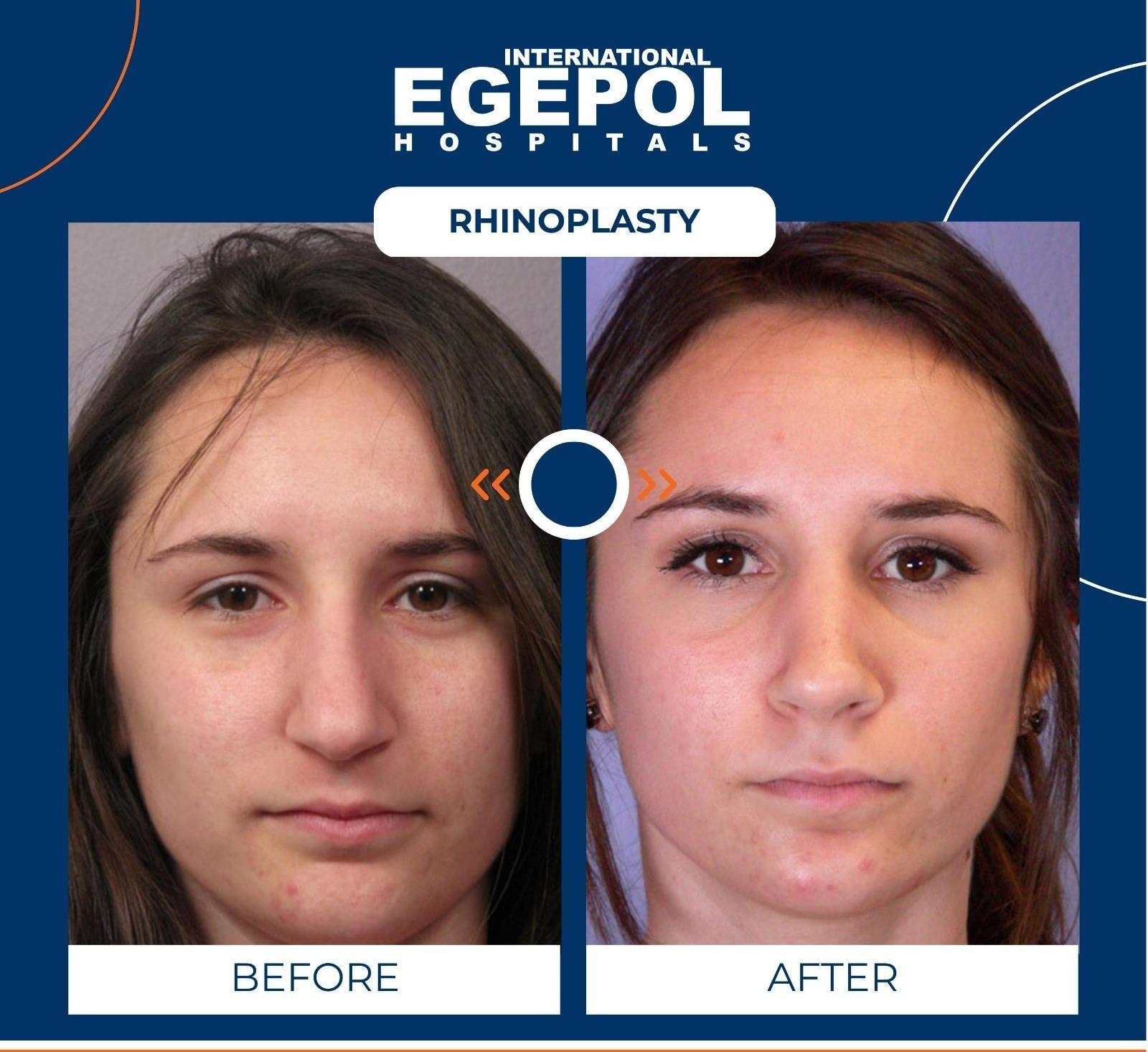
This intervention can be carried out from the age of 16, and in practice as soon as the growth is complete. It is most often intended to correct a bump, a nose that is too wide, too prominent, a point that is too round or bulbous, or that lacks definition. It is also intended for asymmetric or crooked noses, whether or not there is a deviation of the nasal septum. In the elderly, the intervention may be indicated to shorten a slightly long nose but also to create a rejuvenating effect which is not negligible. In addition, functional rhinoplasties will correct problems affecting nasal breathing linked to the nasal septum, turbinates and nasal valves.
Treatment options
Rhinoplasty prices by country
Rhinoplasty
Countries | From | Action |
|---|---|---|
 Thaïland Thaïland | 392 € | View |
 Tunisia Tunisia | 2000 € | View |
 Turkey Turkey | 2134 € | View |
 Czech Republic Czech Republic | 2250 € | View |
 Morocco Morocco | 3200 € | View |
 Lithuania Lithuania | 3500 € | View |
 Spain Spain | 4500 € | View |
 Poland Poland | 4980 € | View |
Ethnic rhinoplasty
Classic Rhinoplasty
Tip Rhinoplasty
Frequently asked questions
Before / After results
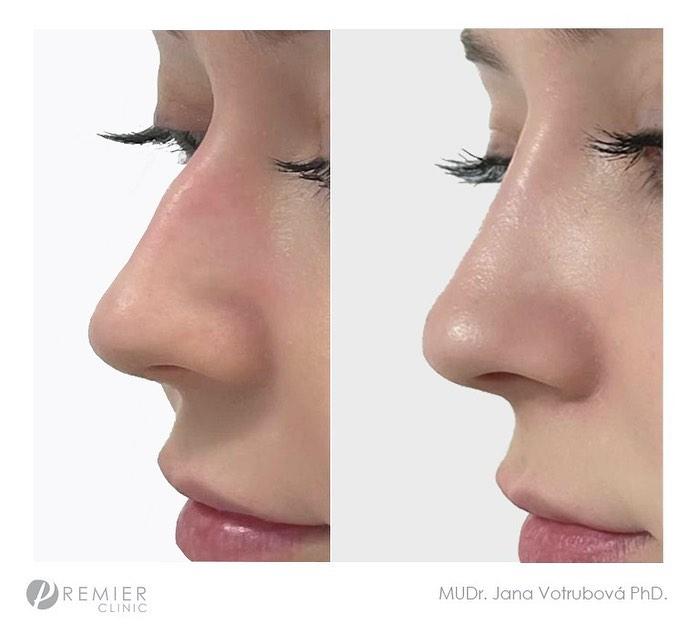
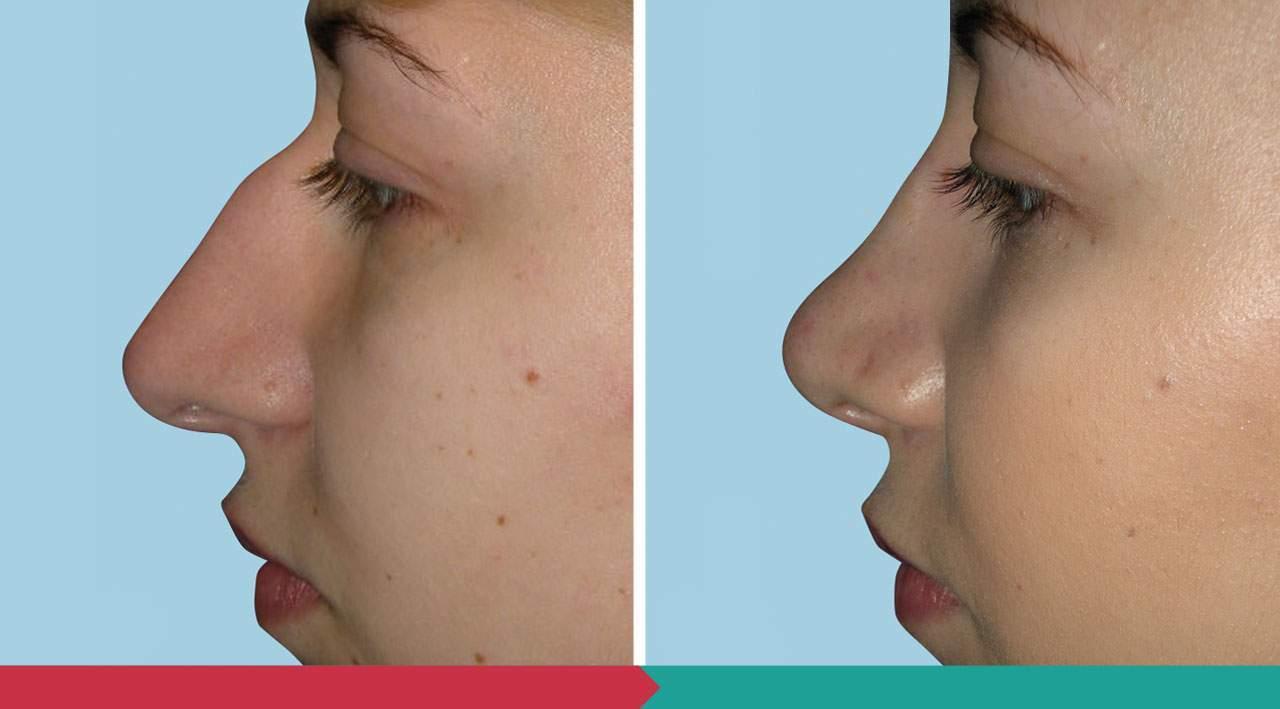
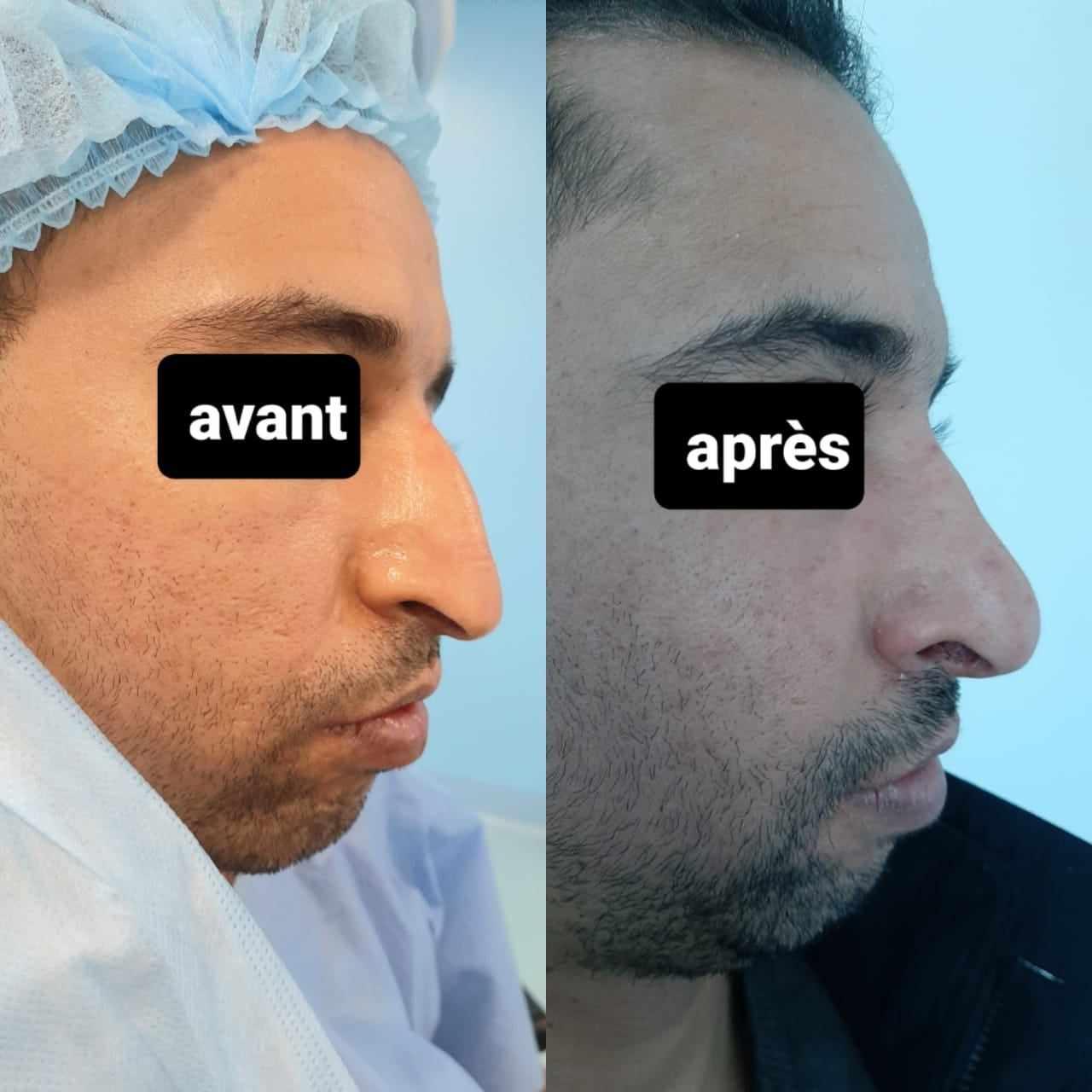
What happens after treatment?
The rhinoplasty patient returns home after surgery, to rest, and allow the nasal cartilage and bone tissues to heal the effects of having been forcefully cut. Assisted with prescribed medications—antibiotics, analgesics, steroids—to alleviate pain and aid wound healing, the patient convalesces for about 1-week, and can go outdoors. Post-operatively, external sutures are removed at 4–5 days; the external cast is removed at 1-week; the stents are removed within 4–14 days; and the "panda eyes" periorbital bruising heal at 2-weeks. If an alar base reduction is performed conjunctively within the Rhinoplasty, these sutures need to be removed within 7–10 days post operatively. Throughout the first year post-operative, in the course of the rhinoplastic wounds healing, the tissues will shift moderately as they settle into being a new nose.