
4.6 · 2 reviews
4.6 · 2 reviews
Penile-Peritoneal Vaginoplasty (PPV)
The penile-peritoneal vaginoplasty (PPV) is an advanced surgical technique used in male-to-female gender affirmation surgeries. This procedure involves creating a neovagina using both penile skin and a graft from the peritoneum—the membrane
What is Penile-Peritoneal Vaginoplasty (PPV)?
The penile-peritoneal vaginoplasty (PPV) is an advanced surgical technique used in male-to-female gender affirmation surgeries. This procedure involves creating a neovagina using both penile skin and a graft from the peritoneum—the membrane lining the abdominal cavity. The peritoneal tissue is similar to vaginal mucosa, being self-lubricating, moist, and elastic, which can result in a more natural outcome. PPV is particularly beneficial for patients with insufficient penile and scrotal skin or those undergoing revision surgeries due to complications like stenosis. Additionally, this method may enhance vaginal lubrication and reduce certain surgical risks compared to other techniques.
The neovagina self-lubricates similarly to that of a cisgender woman. It is less prone to shrinkage, has a reduced risk of vaginal prolapse, and requires less dilation compared to skin graft or colon techniques, due to the natural properties of the peritoneal mucosa. This method is particularly beneficial for individuals with chronic colitis (such as Crohn's disease). Additionally, there is no hair growth in the deeper parts of the neovagina.
The surgery is performed using a laparoscopic technique, resulting in four small incisions in the abdomen.
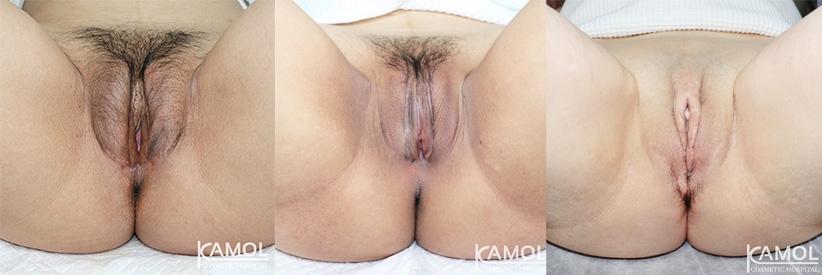
When is Penile-Peritoneal Vaginoplasty (PPV) used?
This method is beneficial for individuals with chronic colitis (Crohn's disease). Additionally, there is no hair growth in the deeper part of the neovagina.
The operation is performed using a laparoscopic technique, resulting in four small incisions in the abdomen.
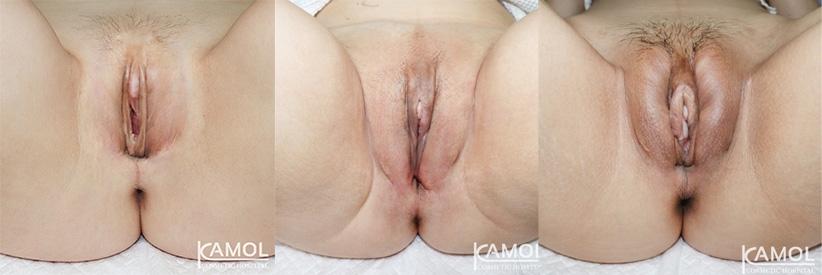
Clinic offers: Penile-Peritoneal Vaginoplasty (PPV)
2 clinics matching your criteria
Yanhee Hospital
Bangkok, Thaïland
4.7Google reviews Gold Partner
- Penile-Peritoneal Vaginoplasty (PPV) · €18,048
from €18,048
Kamol Hospital
Bangkok, Thaïland
4.4Google reviewsGold Partner- Penile-Peritoneal Vaginoplasty (PPV) · €17,002
from €17,002

Penile-Peritoneal Vaginoplasty (PPV) prices by country

How does the treatment work?
Anesthesia
General anesthesia lasting approximately 6 hours.
Duration
Hospitalization is about 7 days.
Before / After results
What happens after treatment?
We recommend staying in the country of the operation for recovery for 3-4 weeks.