
4.2 · 4 reviews
4.2 · 4 reviews
Mastectomy - Top surgery
FTM Mastectomy (Top Surgery): Techniques, Recovery and Results
FTM mastectomy, or "top surgery", removes breast tissue and excess skin to create a flat, masculine chest. Several techniques exist: the right one depends on chest size, skin elasticity, nipple position and your priorities (scarring, sensat
Key information at a glance
From
€287
Anesthesia
FTM mastectomy is performed under general anesthesia.
Duration
The procedure takes approximately 2 to 4 hours…
Read moreResults
The chest is flat right after surgery, but the result…
Read moreRecovery
Hospital stay: usually 1 to 2 nights Drains, if used,…
Read moreProcedure
FTM mastectomy is intended for trans men and…
Read moreWhat is Mastectomy - Top surgery?
FTM mastectomy removes the breast gland and, when needed, excess skin, then reshapes the chest into a masculine contour. Liposuction of the sides of the chest is often added to refine the result.
The Different Mastectomy Techniques
Double Incision with Free Nipple Grafts (DI / FNG)
Two horizontal incisions along the lower border of the pectoral muscle allow removal of breast tissue and excess skin. The nipples are removed, resized and grafted back in a masculine position.
- Best for: medium to large chests, less elastic skin
- Advantages: the flattest chest, precise nipple placement
- Drawbacks: two long scars, nipple sensation often reduced or lost
Inverted-T (or Anchor)
Similar to double incision, but the nipple stays attached to a pedicle (a bridge of tissue that keeps its blood supply and nerves). A short vertical scar is added below each nipple.
- Best for: medium chests
- Advantages: better chance of keeping nipple sensation
- Drawbacks: additional vertical scar
Buttonhole
Horizontal incisions as in double incision, but the nipple stays attached to a pedicle and is brought out through a small opening made in the skin.
- Best for: medium to large chests with good skin quality
- Advantages: sensation preserved more often, no vertical scar
- Drawbacks: the pedicle can leave slight fullness below the nipple
Periareolar (or "Donut")
Two concentric incisions around the areola: the ring of skin between them is removed, breast tissue is taken out through this opening, and the skin is gathered around the areola.
- Best for: small to medium chests, elastic skin
- Advantages: scar limited to the edge of the areola, nipple kept attached
- Drawbacks: limited skin removal, possible puckering, revisions more common
Keyhole
A small incision along the lower half of the areola is used to remove breast tissue, often with the help of liposuction. No skin is removed.
- Best for: very small chests, excellent elasticity, nipples already well positioned
- Advantages: minimal scarring, nipple kept attached
- Drawbacks: suitable for few patients, no nipple repositioning
Non-Binary and Custom Options
Depending on your goals, the surgeon can perform a closure without nipples, keep some volume, or adapt the shape and size of the areolas.
How to Choose?
The technique is chosen with the surgeon during the consultation, based on photos or an examination: chest size, skin elasticity, nipple position, and how much weight you give to scarring and sensation.
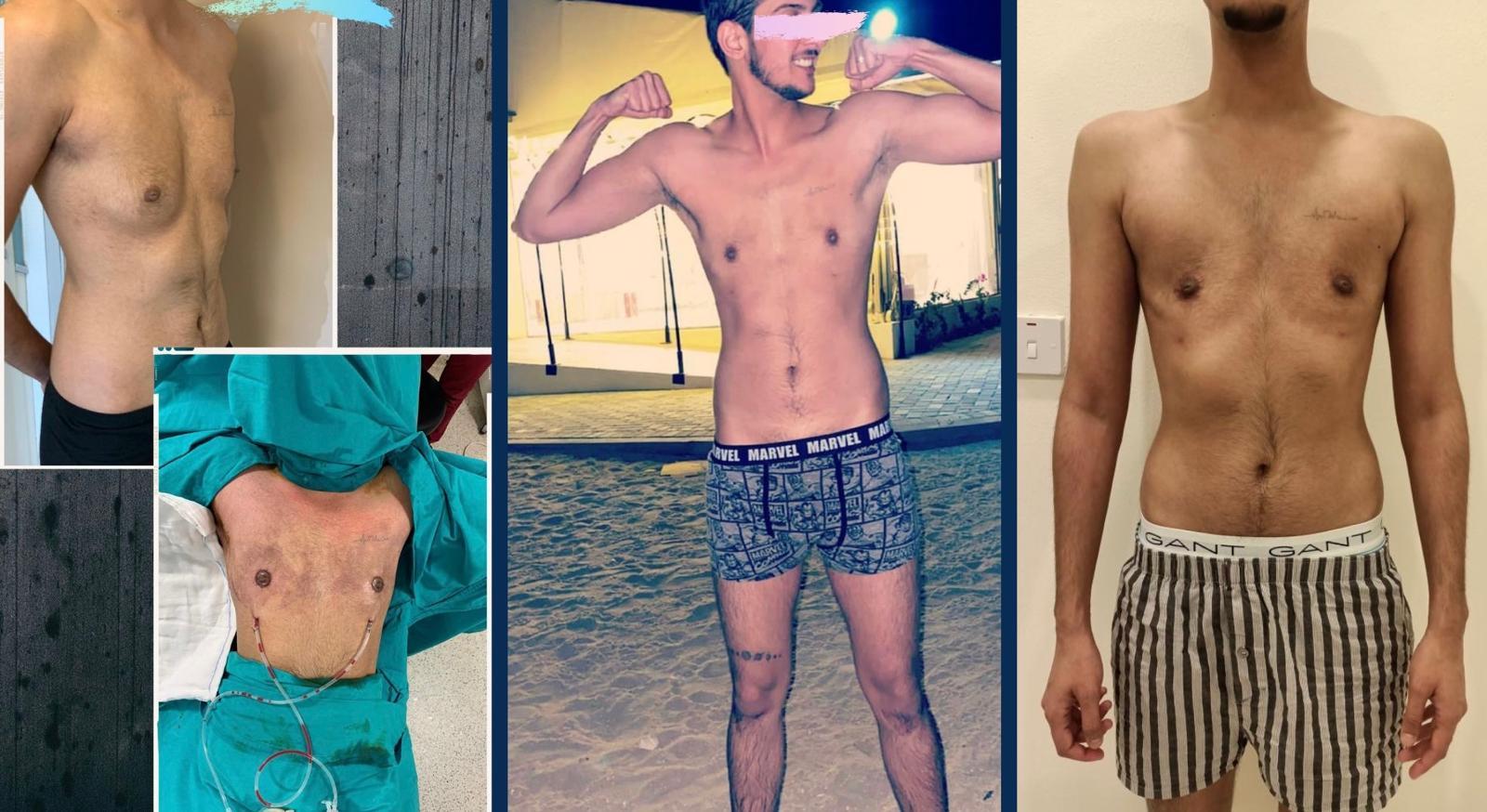
When is Mastectomy - Top surgery used?
FTM mastectomy is intended for trans men and non-binary people who want a flat chest in line with their gender identity.
Usual requirements
- Being 18 or older
- A letter from a mental health professional may be required depending on the clinic and country
- Good overall health and a stable weight
- No smoking for at least 4 weeks before and after surgery
Testosterone therapy is not required for this procedure.
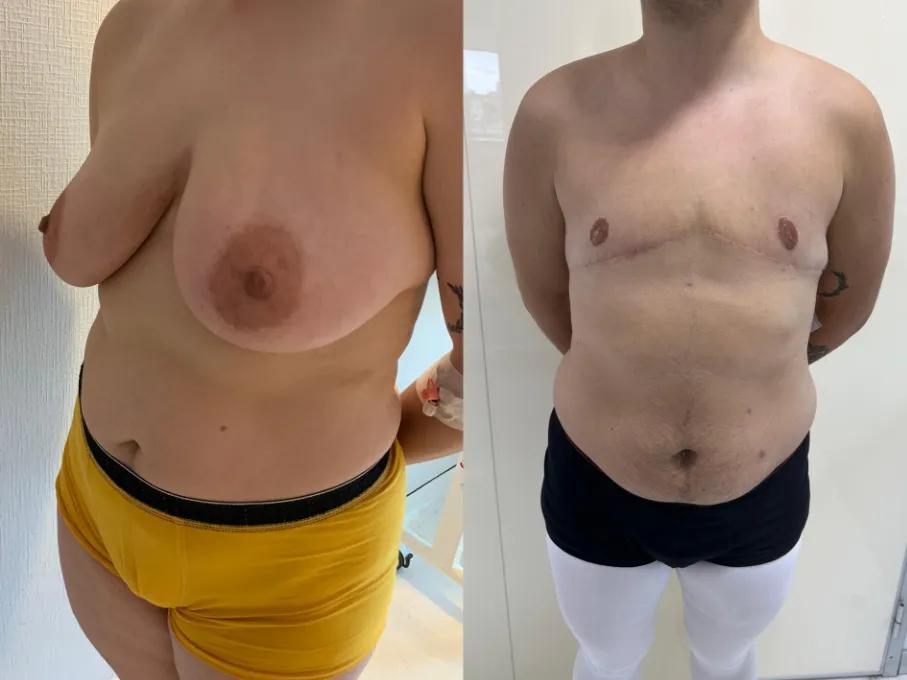
Clinic offers: Mastectomy - Top surgery
4 clinics matching your criteria
from €287
from €4,620
from €3,295
from €4,000

 Gold Partner


Mastectomy - Top surgery prices by country


Frequently asked questions
How does the treatment work?
Anesthesia
FTM mastectomy is performed under general anesthesia.
Duration
The procedure takes approximately 2 to 4 hours depending on the technique and chest size.
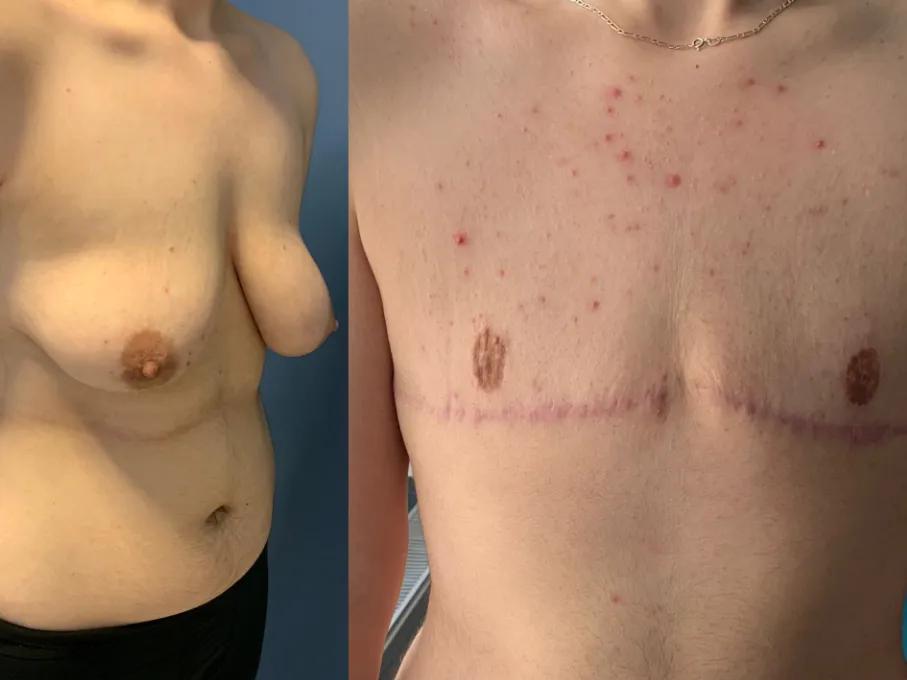
Before / After results
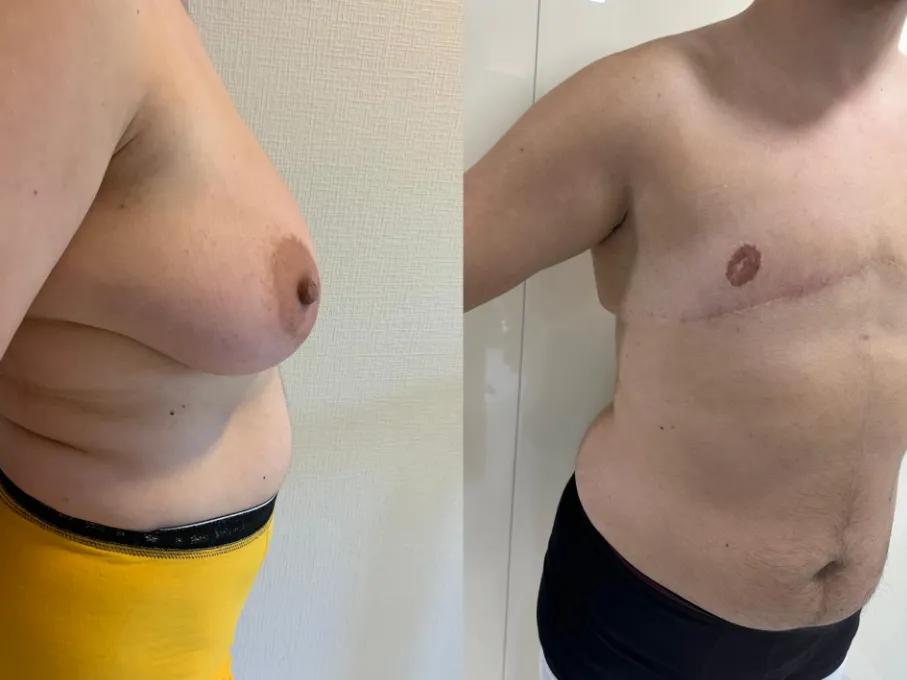
What happens after treatment?
- Hospital stay: usually 1 to 2 nights
- Drains, if used, are removed after 3 to 7 days
- Compression vest worn for 4 to 6 weeks
- Avoid raising arms above shoulder level and lifting heavy objects for 3 to 4 weeks
- Return to desk work after 1 to 2 weeks, to sport after about 6 weeks
- Plan about 7 to 10 days at the destination before flying home, for the post-operative check
How long do results last?
The chest is flat right after surgery, but the result refines as swelling subsides over 3 to 6 months. Scars fade gradually over 12 to 18 months; massaging them and protecting them from the sun improves their appearance. Minor revisions (excess skin at the sides, scars) are sometimes needed.