Stem Cell Therapy: Recent Advances for Diabetes, Spinal Cord Injury and Parkinson’s
Updated on November 2, 2026 · Esthetic Planet editorial team
Stem Cell Therapy in Turkey – Why It Matters
Stem‑cell medicine is moving from experimental labs to specialised clinics worldwide. Turkey has become a hub for regenerative treatments because of its strong medical infrastructure, affordable pricing and clear regulatory pathways. If you are considering stem‑cell therapy, understanding the latest clinical evidence is essential before any decision is made.
Esthetic Planet helps you navigate this landscape by reviewing medical dossiers, confirming eligibility, and matching you with vetted centres that follow internationally recognised protocols. Learn more on our Stem cells page.
Diabetes: New Results with Zimislecel and Chinese Cell‑Based Islet Grafts
Vertex’s "Zimislecel" (formerly VX‑880) is a closed‑system, autologous stem‑cell derived pancreatic progenitor product. In a phase‑2 trial, 10 of 12 full‑dose recipients achieved insulin independence after one year, and all 12 recorded HbA1c < 7 % without severe hypoglycaemia【https://www.nejm.org/doi/full/10.1056/NEJMoa2506549】. The study required chronic immunosuppression, and serious adverse events included infections and one case of graft‑versus‑host‑like reaction. The trial was small, open‑label and lacked a control arm, so longer‑term durability remains unknown.
A separate Chinese case report described a 75‑day achievement of insulin independence after transplanting islets derived from the patient’s own reprogrammed fibroblasts【https://www.sciencedirect.com/science/article/pii/S0092867424010225】. Immunosuppression was also mandatory, highlighting that current cell‑based therapies still depend on pharmacological protection against rejection.
For type 2 diabetes, researchers reported a single patient who stopped insulin after 11 weeks and withdrew oral agents, maintaining normal glucose control for about 27 months post‑implant【https://www.nature.com/articles/s41421-024-00662-3】. While striking, the evidence is anecdotal and does not replace large‑scale trials.
What this means for patients: the data suggest functional improvement, often reducing or eliminating insulin, but not a permanent cure. Ongoing monitoring and immunosuppression are required, and the procedures are only available in highly specialised centres, many of which are located in Turkey and other emerging markets.
Spinal Cord Injury: iPSC‑Derived Neural Progenitors from Keio University
Keio University in Japan transplanted induced pluripotent stem cell (iPSC)‑derived neural progenitors into four patients with recent, complete cervical injuries【https://www.nature.com/articles/s41591-026-04549-6】. Over a follow‑up of 2–4 years, three participants regained limited arm function and one regained the ability to take assisted steps, with no graft‑related tumours reported【https://www.keio.ac.jp/en/press-release/20260722-press-02/】.
The study was uncontrolled and involved intensive rehabilitation, making it difficult to separate the contribution of the cell graft from physical therapy. Nevertheless, the absence of tumor formation is an encouraging safety signal for iPSC‑based spinal therapies.
For patients considering experimental spinal‑cord repair, the current evidence points to functional gains rather than full recovery and highlights the need for rigorous post‑operative rehab programs.

Parkinson’s Disease: iPSC‑Derived Dopaminergic Progenitors Show Motor Benefits
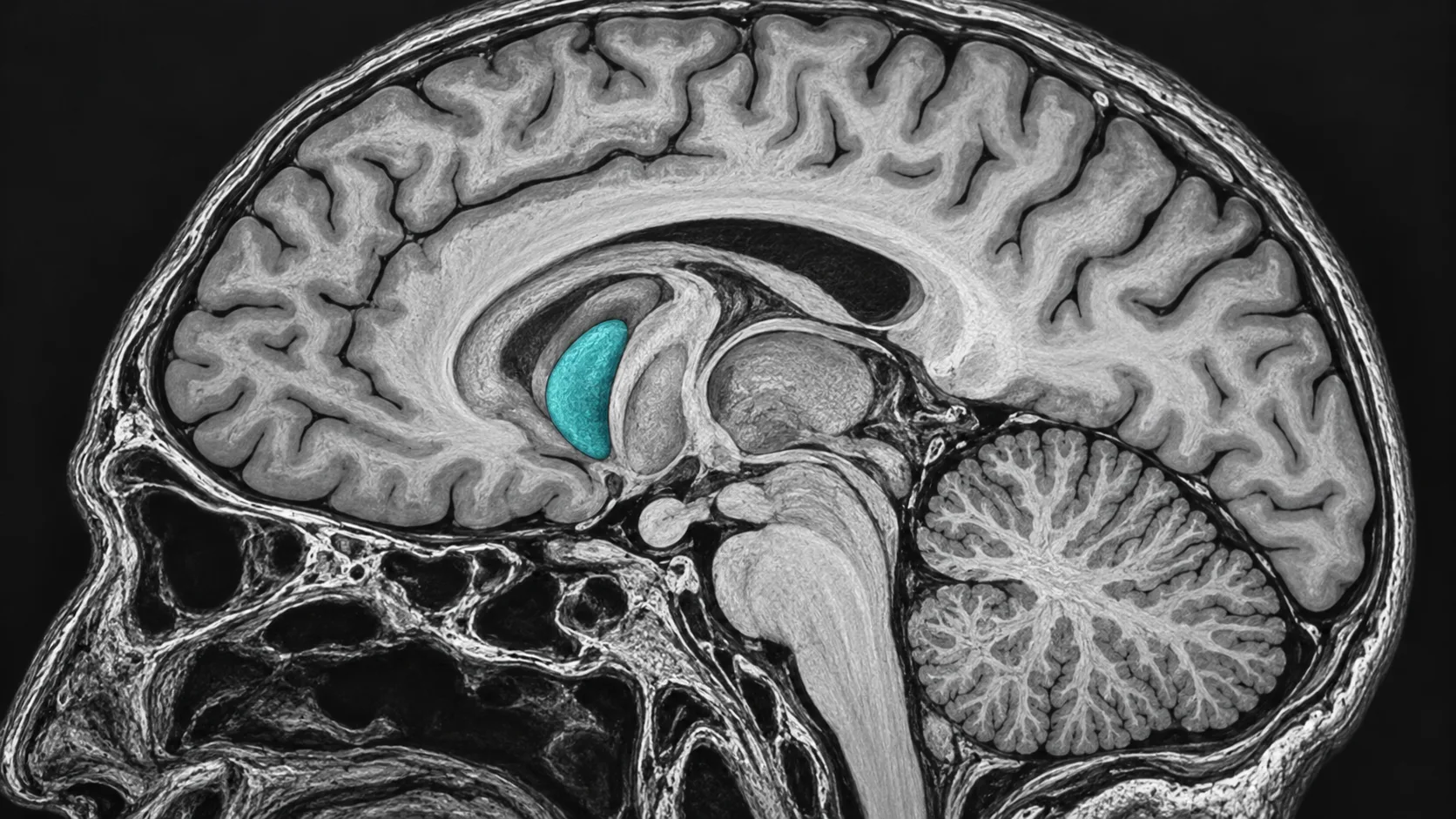
In a Japanese phase‑1/2 trial, seven patients received iPSC‑derived dopaminergic progenitor cells implanted into the putamen【https://www.nature.com/articles/s41586-025-08700-0】. At 24 months, four of six evaluated participants displayed improved scores on the Unified Parkinson’s Disease Rating Scale (UPDRS) without changes in medication dosage; dopamine synthesis measured by PET imaging increased.
Two participants experienced mild dyskinesia, a known risk when altering dopaminergic tone. The study’s limitations include a small, open‑label design and the continued use of medication, meaning the cells provided adjunctive benefit rather than a cure.
Patients should be aware that commercial stem‑cell clinics sometimes market “stem‑cell cures” for Parkinson’s, but these protocols have not been validated in rigorous trials. Only centres meeting Good Manufacturing Practice (GMP) standards and participating in approved studies can ethically offer such treatments.
How Esthetic Planet Connects You to Trusted Stem‑Cell Centres
Esthetic Planet acts as a liaison between patients and accredited clinics in Turkey, Colombia, Mexico and Thailand. Our process includes:
- Medical dossier review, You submit your health records, imaging and previous treatments; clinics verifies eligibility against the specific protocol.
- Protocol matching, clinics identify the exact cell product (e.g., autologous pancreatic progenitors, iPSC‑derived neural progenitors) and confirm their regulatory status.
- Transparent pricing Stem‑cell packages with additional services such as NAD+ IV therapy (from 250 THB) or rejuvenation bundles (from €2 250). Detailed cost breakdowns are provided before any commitment.
- Risk briefing, Clinics will outline expected benefits, immunosuppression requirements, possible adverse events and the need for long‑term follow‑up.
While the clinics we work with follow international standards, these treatements are still experimental research protocols. Always discuss your case with the treating surgeon, who will decide the most suitable approach after a personal consultation.
Frequently asked questions
Will stem‑cell therapy cure my diabetes?
Current studies show "functional improvement" - many patients reduce or stop insulin, but the need for lifelong immunosuppression and the absence of long‑term data mean a cure is not guaranteed.
Are there any risks of tumour formation with iPSC‑derived cells?
In the published spinal‑cord and Parkinson’s studies, no graft‑related tumours were observed over several years. Nevertheless, the risk cannot be entirely excluded, and rigorous screening is mandatory.
Do I have to stay in the country where the transplant is performed for follow‑up?
Most clinics arrange local follow‑up visits, but you may be asked to return periodically for imaging or lab tests. Esthetic Planet can help coordinate these appointments.
What is the typical cost of a stem‑cell treatment package?
Our partner clinics offer packages starting from 1 600 (e.g., autologous pancreatic progenitors in Turkey). Combined services such as IV boosters or rejuvenation programs can be added at transparent rates. But for average cost of a advanced stem cells treatements can range from a couple of thousands to a couple of tens of thousands.
Is immunosuppression always required?
For allogeneic or partially matched cell products, like Zimislecel, lifelong immunosuppression is standard. Autologous approaches may reduce but not eliminate this need.
Ready to explore a personalized stem‑cell treatment plan? Get my free quote