4.0 · 15 reviews
4.0 · 15 reviews
Sleeve Gastrectomy
Sleeve Gastrectomy Weight loss surgery
The Sleeve Gastrectomy procedure involves removing a large portion of the stomach to form a tube. The amount of food and the speed of absorption are drastically and permanently reduced. Weight loss is long-lasting and significant, requiring
Key information at a glance
From
€2,400
Anesthesia
The sleeve operation is performed under general…
Read moreDuration
The duration of hospitalization varies from 2 to 4…
Read moreResults
The sleeve gastrectomy can lead to significant weight…
Read moreRecovery
Recovery is typically not very painful. After the…
Read moreProcedure
The operative indication is considered for those with…
Read moreWhat is Sleeve Gastrectomy?
Also known as "calibrated vertical gastroplasty with gastric resection" or "longitudinal gastrectomy," sleeve gastrectomy is a digestive surgical procedure performed on obese patients. This operation involves removing a portion of the stomach to shape it into a tube. First performed in 2001, sleeve gastrectomy enables patients to lose a considerable amount of weight by inducing a rapid feeling of fullness, resulting from the reduction of ghrelin, the appetite hormone.
Technique of the Sleeve
The sleeve, the most frequently practiced technique, involves removing approximately 2/3 of the stomach. This restrictive technique entails removing the portion containing cells that secrete the appetite-stimulating hormone, ghrelin. The stomach is reduced to a vertical tube, and food passes quickly into the intestine. Weight loss is approximately 25 to 35 kilograms.
This technique does not disrupt the digestion of food because it is initially slowed as it passes through the tube, then rapidly evacuated into the intestine. The sleeve acts through two complementary mechanisms: restriction associated with a decrease in the level of ghrelin, the hunger hormone, thereby causing a decreased interest in food.
Surgical Approach of the Sleeve
The intervention is performed laparoscopically, very rarely by laparotomy. Incisions (usually 3 to 5) are made in the abdomen, and trocars are placed. A tube, called a bougie, is introduced through the mouth into the stomach. It serves as a calibration tool for the new stomach. Using an automatic clamp, the stomach is cut and sutured simultaneously with a triple row of staples. The resected portion of the stomach is then removed from the abdomen.
The incisions are sutured with absorbable thread.

When is Sleeve Gastrectomy used?
The operative indication is considered for those with a BMI greater than 30 in most countries.
In France, sleeve gastrectomy is only offered for those with a BMI greater than 40 (morbid obesity) or starting from a BMI greater than 35 if complications are confirmed.

Treatment options
Clinic offers: Sleeve Gastrectomy
18 clinics matching your criteria
from €2,500
from €4,200
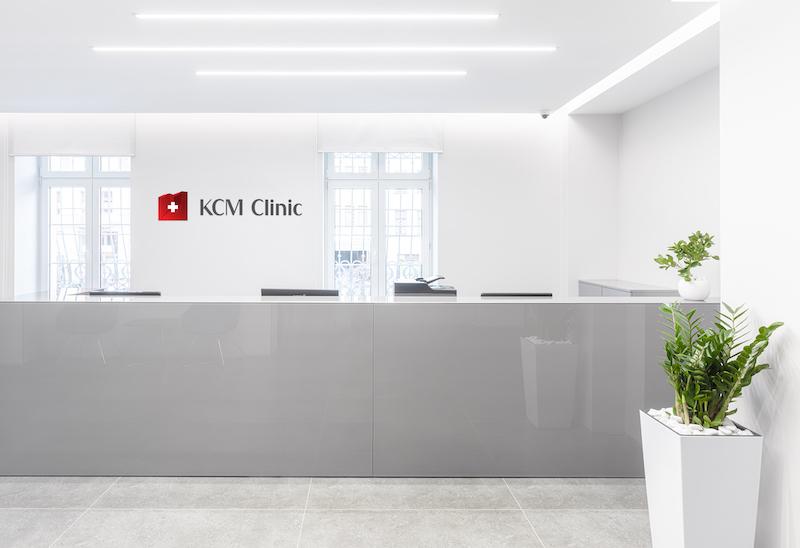
KCM Clinic
Jelenia Gora, Poland
4.3Google reviews Gold Partner
- Sleeve Gastrectomy · €6,000
- Endoscopic Sleeve Gastroplasty · €6,890
from €6,000
from €7,250
from €2,700
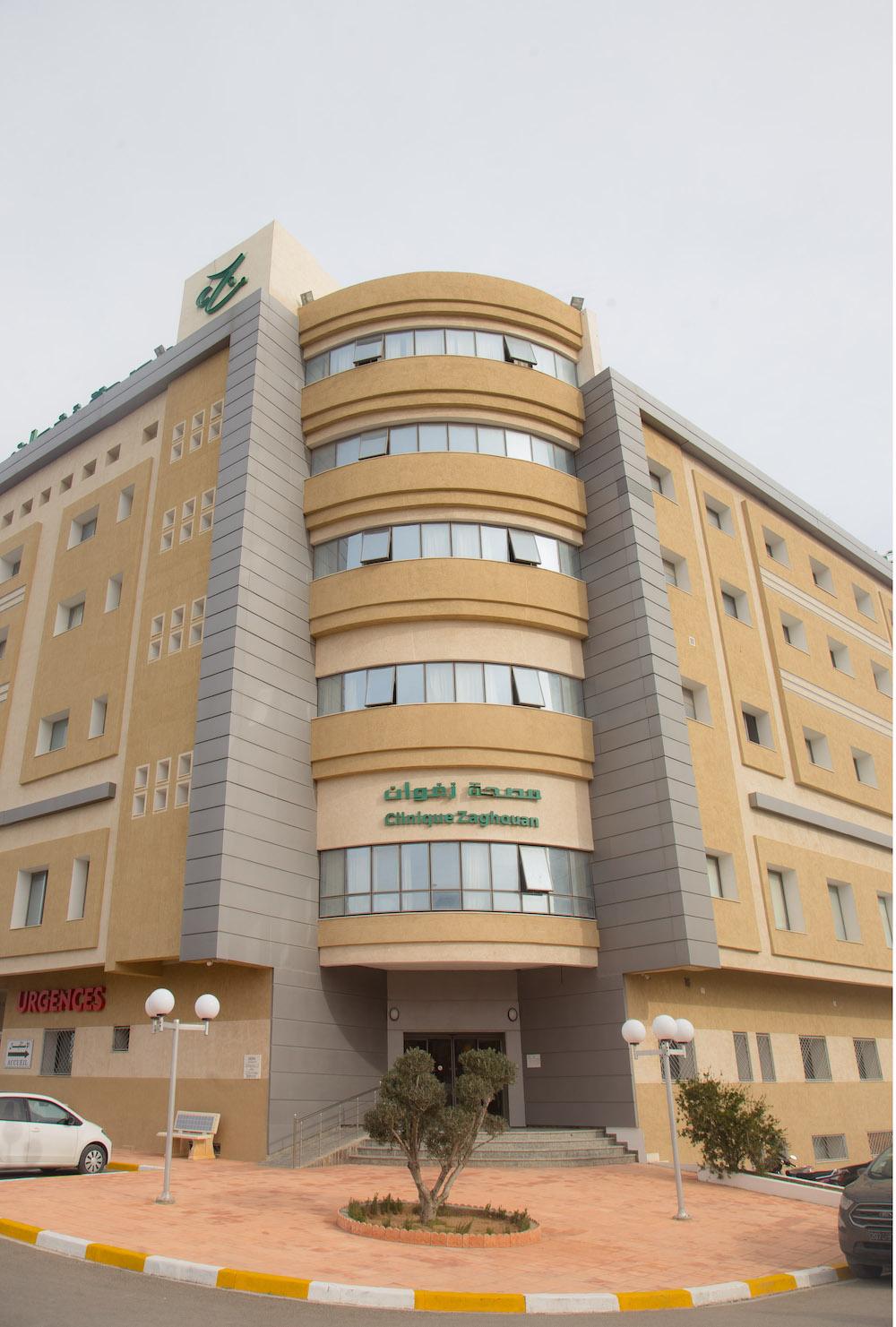
Zaghouan Hospital
Zaghouan, Tunisia
2.6Google reviews- Sleeve Gastrectomy · €3,650
- Revision Sleeve ( Re Sleeve) · €3,650
from €3,650


.jpg&w=1920&q=75)
Sleeve Gastrectomy prices by country
Sleeve Gastrectomy


Endoscopic Sleeve Gastroplasty

How does the treatment work?
Anesthesia
The sleeve operation is performed under general anesthesia and typically lasts about 2 hours.
Duration
The duration of hospitalization varies from 2 to 4 days depending on the type of procedure and the general condition of the individual. It may be extended if complications arise after the surgery. A minimum of 2 weeks off work should be planned after leaving the hospital. Like any abdominal surgery, postoperative recovery can be painful.
Traveling for a sleeve only takes 5 to 7 days
Traveling Abroad for a Sleeve Gastrectomy?
The necessary travel time is generally 5 to 7 days in total. Once the risk of leaks is ruled out and verified, the patient can return to their home country.
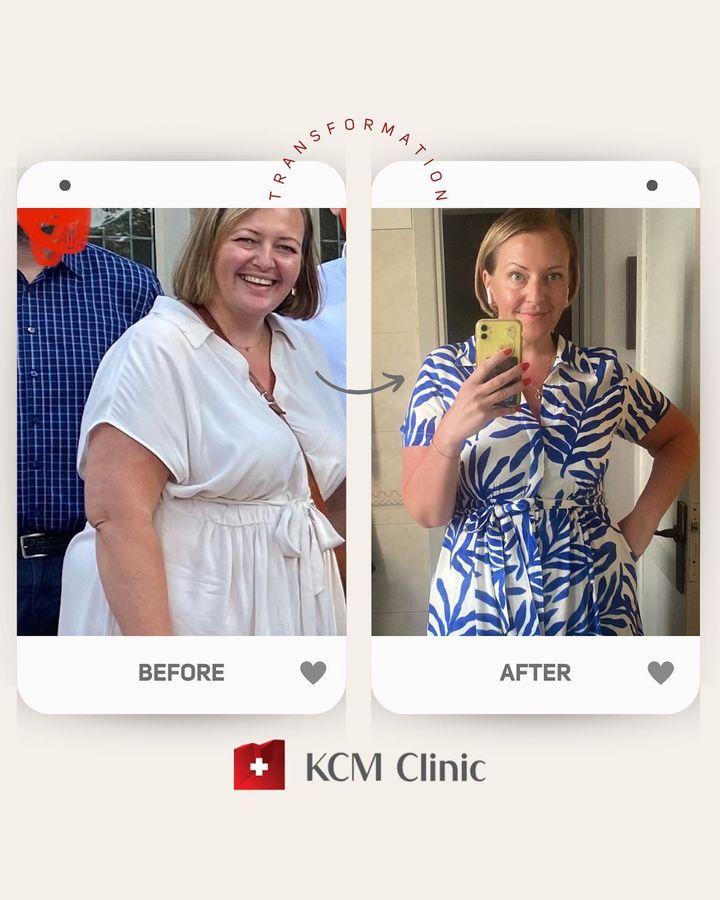
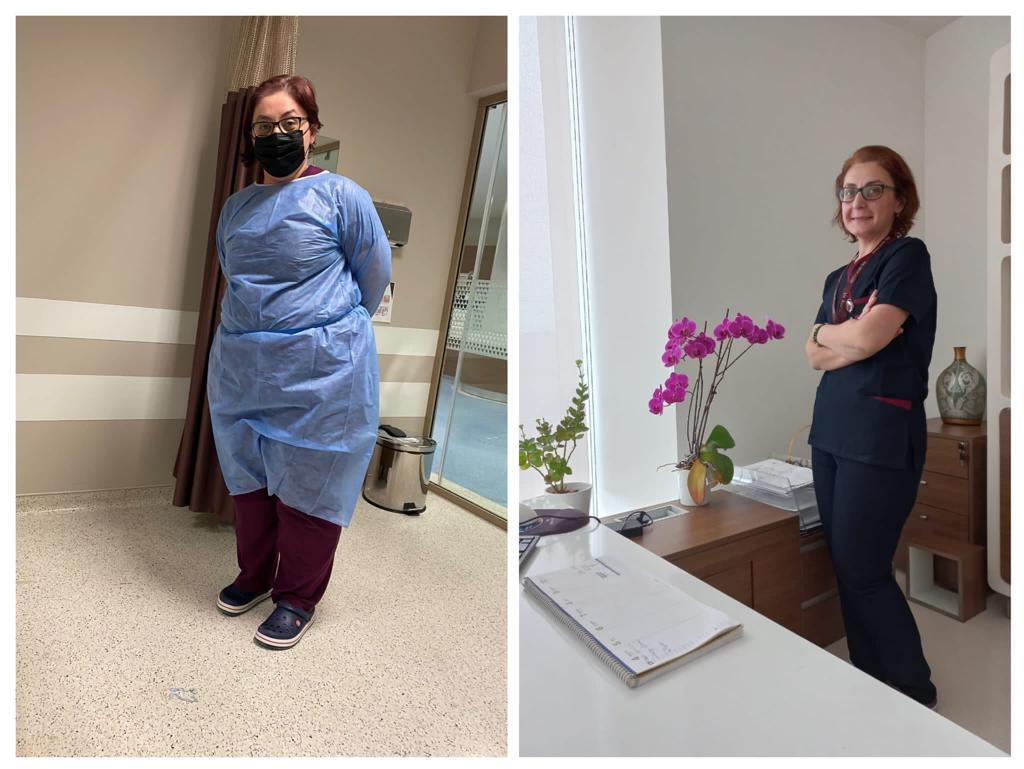
Before / After results

What happens after treatment?
Recovery is typically not very painful. After the procedure, the patient must strictly follow dietary hygiene rules: never drink during meals, take time to chew food thoroughly, and avoid swallowing too quickly. Liquids and pureed foods are recommended initially. It is advised not to exceed 3 meals a day and to avoid snacking. During the first two years after the procedure, quarterly follow-ups with a gastroenterologist are essential.
Nutrition after Sleeve Gastrectomy
Post-operative Advice
-
1st week after the operation: liquid diet
-
2nd week after the operation: blended diet
-
3rd week after the operation: soft diet
-
4th week after the operation: normal diet
10 Rules to Follow in the First Weeks:
-
Eat VERY slowly. Allow 30 to 45 minutes for a meal.
-
Put SMALL amounts on the plate, cut into small pieces.
-
Take small bites (about a teaspoon each).
-
While chewing, mash your food into a puree.
-
After swallowing a bite, wait for 20 seconds. This helps prevent vomiting.
-
Carbonated beverages (water, sodas...) and effervescent medications are strictly prohibited in the first few weeks.
-
Do not drink during meals, but wait 30 minutes before and after. Drinking during your meal can lead to vomiting.
-
Stop eating at the first feeling of fullness. One bite too many can cause vomiting or stomach pain.
-
In the evening, allow a 2-hour gap without eating or drinking before lying down to avoid nighttime reflux.
-
Engage in regular physical activity! 30 minutes per day or 3 hours per week.
How long do results last?
The sleeve gastrectomy can lead to significant weight loss. However, the exact amount of weight lost depends on several factors, including the size of the removed part of the stomach, the patient's post-operative dietary habits, physical activity, and other medical considerations.
Sleeve patients change their wardrobes
Losing Dozens of Kilos Permanently
Gastric sleeve surgery leads to long-lasting and massive weight loss mainly because the stomach's ability to store food is reduced. Patients may experience a quicker feeling of fullness, which leads them to consume less food. It's essential to note that gastrectomy is a serious surgical procedure, and the resulting weight loss should be closely monitored by healthcare professionals.
Patients need to follow specific dietary recommendations and receive regular medical follow-up to ensure that weight loss is healthy and controlled. Typically, the most common weight loss range is between -25 to -50 kg.