4.8 · 1 reviews
4.8 · 1 reviews
Testicular Rejuvenation
Testicular Rejuvenation for Testicular Insufficiency / Azoospermia
Testicular rejuvenation using platelet-rich plasma (PRP) to combat testicular insufficiency / Azoospermia.
Updated on November 6, 2026
The essentials at a glance
From
€2,000
Anesthesia
The treatment is usually performed under local…
Read moreDuration
A session is relatively short and is usually performed…
Read moreResults
Results vary from one patient to another and depend on…
Read moreRecovery
Recovery is usually quick. Mild discomfort at the…
Read moreProcedure
For What Conditions is Testicular Revitalization Used?…
Read moreTesticular Rejuvenation: what it is and how it works
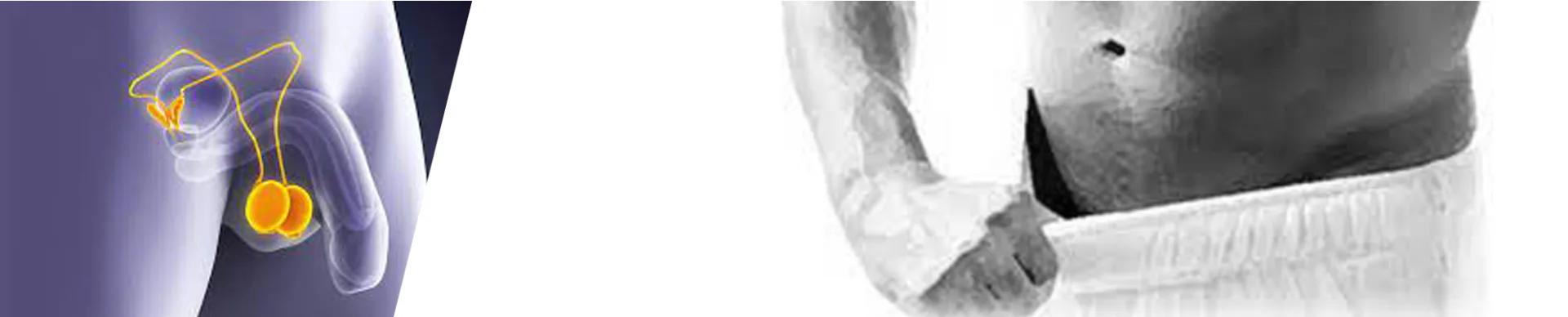
Male-related infertility accounts for 30% to 50% of global infertility cases. The primary challenge in this area has always been testicular insufficiency or non-obstructive azoospermia, characterized by the testicles' inability to initiate the spermatogenesis process. Previously, individuals suffering from this issue had no other options but to turn to medically assisted reproduction, sperm donation, or adoption. However, the advent of platelet-based regenerative therapies has renewed hope for these patients, enabling many men to regain their pride.
What is Platelet-Rich Plasma?
Platelet-Rich Plasma, or PRP, is an autologous substance derived from blood. It is enriched with growth factors, cytokines, and hormones. Once the platelets are activated, they release a range of biologically active proteins, thus promoting cell proliferation, growth, and differentiation.
Testicular Rejuvenation: who is it for?
For What Conditions is Testicular Revitalization Used?
For patients suffering from Azoospermia or testosterone deficiency (hypogonadism).
Testicular Rejuvenation: offers from our partner clinics
1 clinic matching your criteria
from €2,000

Testicular Rejuvenation: prices by country


How the treatment works, step by step
Anesthesia
The treatment is usually performed under local anaesthesia. The exact protocol is confirmed by your clinic.
Duration
A session is relatively short and is usually performed in the clinic, without hospitalisation. Some protocols include several sessions spaced about one month apart. Your clinic will confirm the schedule.
What happens after treatment?
Recovery is usually quick. Mild discomfort at the treatment site can occur for a short time, and most patients resume their usual activities within a few days, following the medical team's advice.
How long do results last?
Results vary from one patient to another and depend on the cause and severity of the testicular insufficiency. An improvement in sperm production is not guaranteed: follow-up semen analyses are used to assess the response. Your doctor will explain realistic expectations for your case.