
4.3 · 12 reviews
4.3 · 12 reviews
Bichectomy
Bichectomy, Removal of Bichat's pads
Facial refinement through the reduction of Bichat's fat pads. This procedure corrects overly prominent cheeks.
Updated on November 4, 2026
The essentials at a glance
Bichectomy: what it is and how it works
What is Buccal Fat Removal?
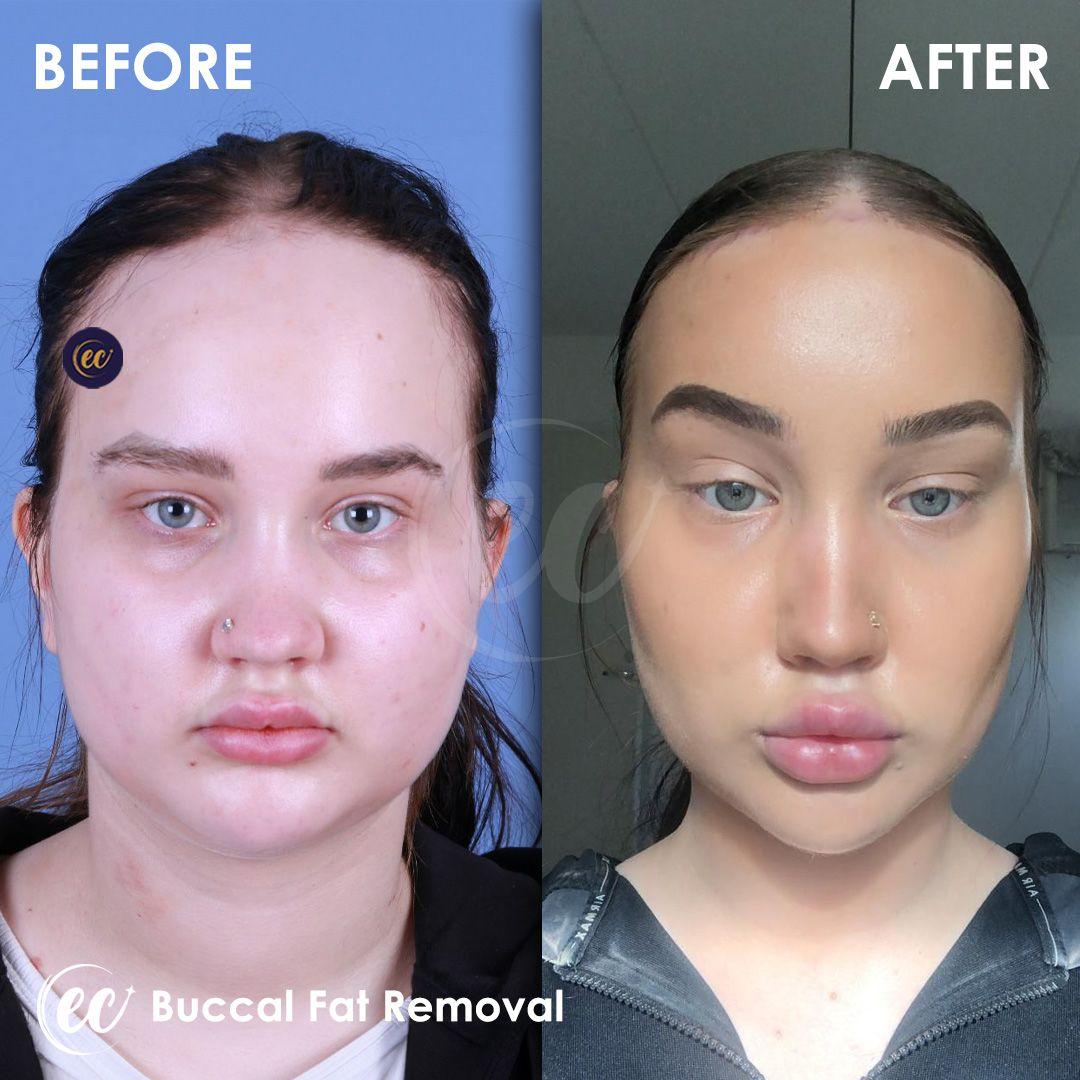
Buccal fat removal is an aesthetic procedure designed to slim the cheeks by removing the Bichat's fat pads, which are fatty deposits located under the cheekbones. This procedure offers a more sculpted face and can significantly improve the harmony of features.
Benefits of Buccal Fat Removal
In addition to providing a refined facial contour, buccal fat removal can also contribute to better facial symmetry and a younger appearance. It is often combined with other procedures like rhinoplasty for an overall aesthetic result.
Bichectomy: who is it for?
Intervention Objectives
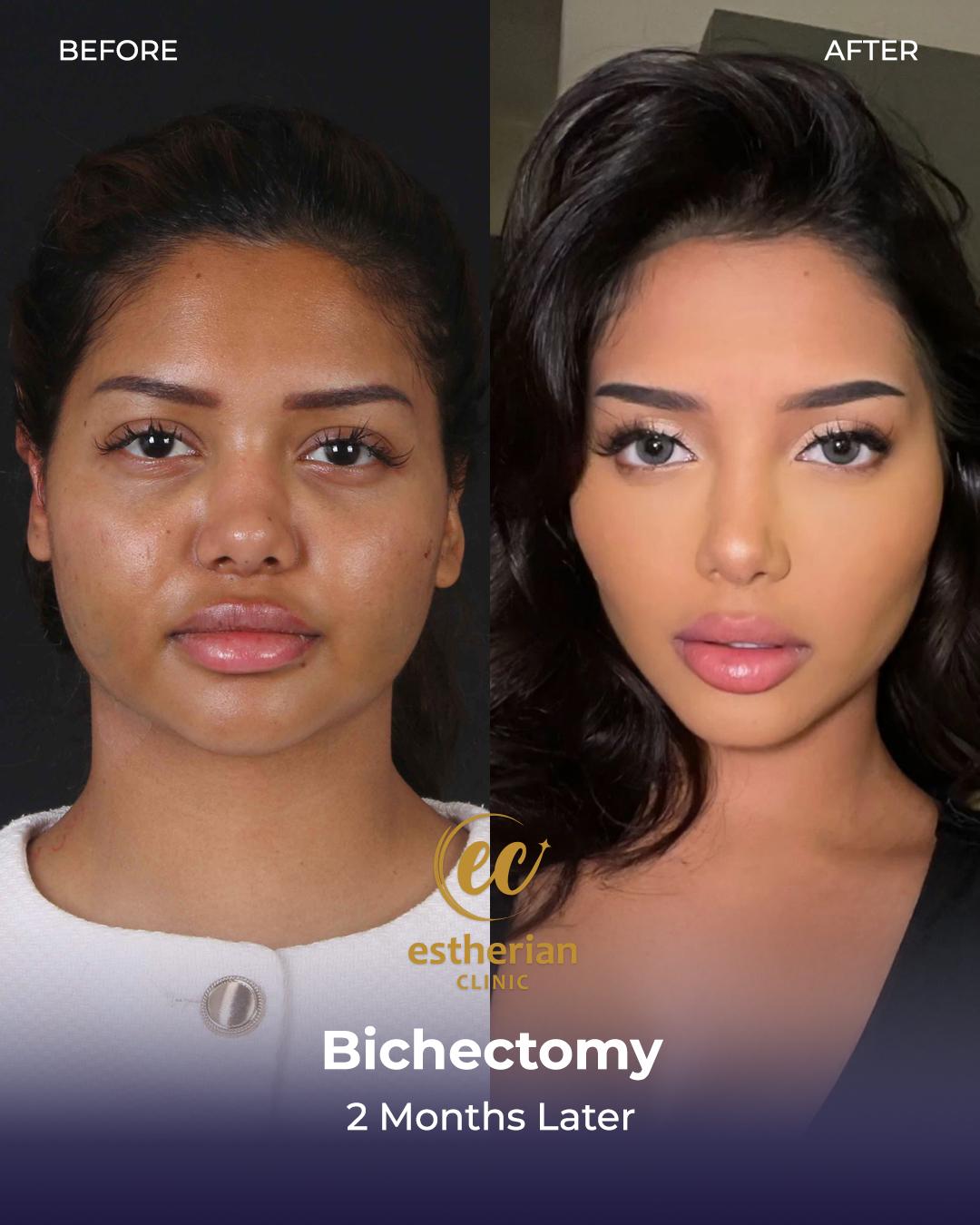
The main objective of bichectomy is to reduce cheek volume, thereby creating a more oval or V-shaped face, particularly sought after in the beauty world.
Bichectomy: offers from our partner clinics
15 clinics matching your criteria
from €1,180
from €2,700
from €2,700
from €3,923
from €4,000
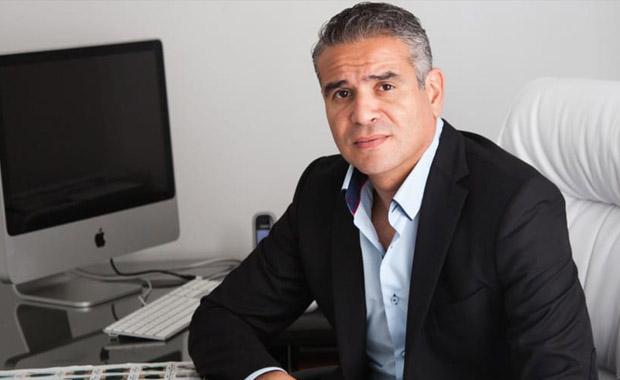
Dr Mehdi Chennoufi - Esthetic surgery Tunis
Tunis, Tunisia
4.2Google reviews Gold Partner
- Bichectomy · €1,760
from €1,760




Bichectomy: prices by country





How the treatment works, step by step
Anesthesia
General anesthesia and one night of hospitalization is necessary.
Before and after: our patients' results
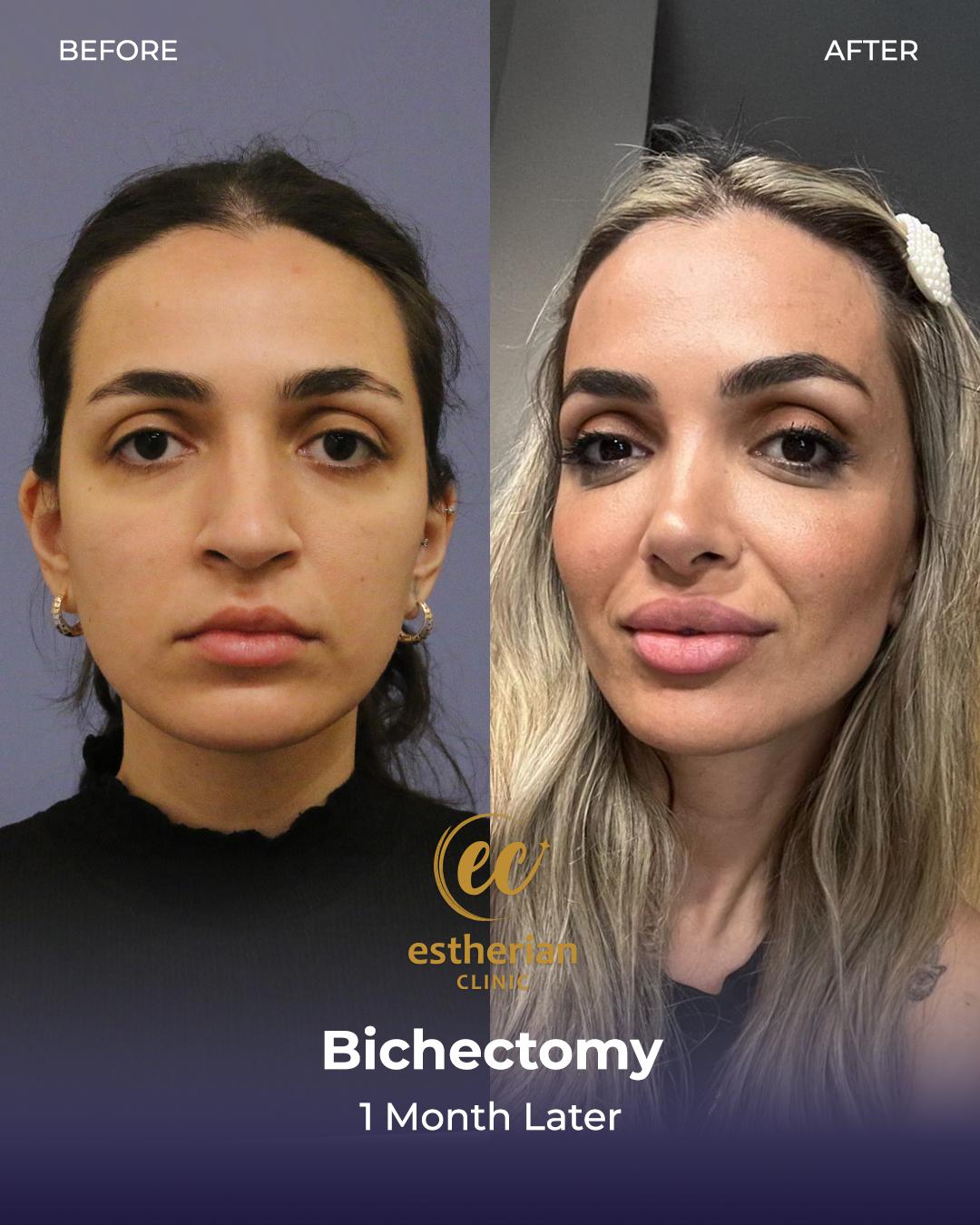
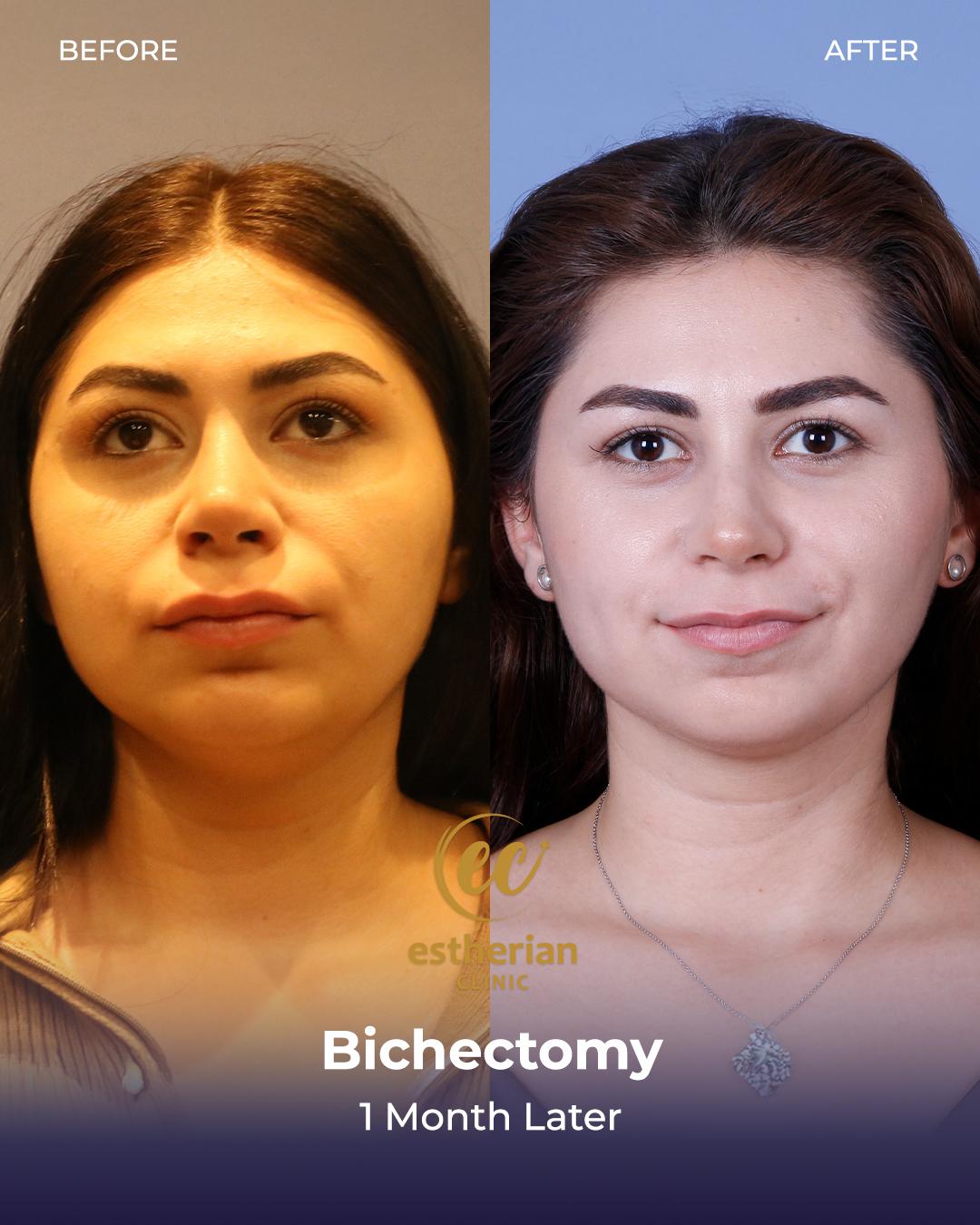
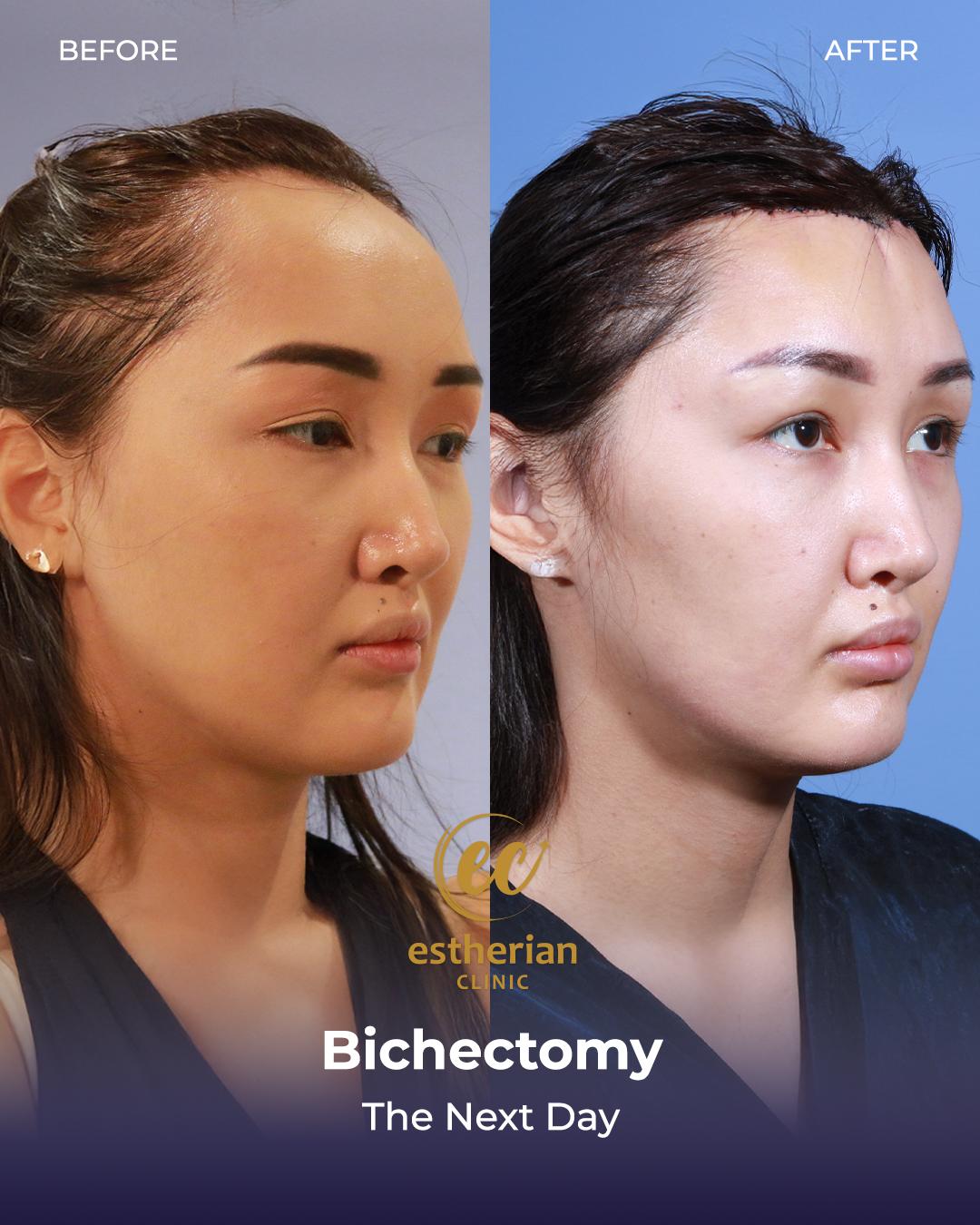
What happens after treatment?
Recovery
The recovery period after buccal fat removal is generally short. Patients can expect to return to daily life after a few days, with precautions such as avoiding intense physical exertion for one to two weeks.
How long do results last?
Expected Results
The results of buccal fat removal are generally permanent and can be immediately visible after the reduction of swelling. The face gradually becomes slimmer to reveal its new silhouette.
Associated Risks
As with any surgical procedure, buccal fat removal carries risks such as infection, asymmetry, or changes in sensation in the treated area. However, these risks are minimized by choosing a qualified surgeon.