
Introduction
Temporal lift and Fox Eyes are two increasingly popular aesthetic surgical techniques for enhancing the appearance of the eyes and face. In this article, we will explore the definition of these interventions, their surgical process, preoperative diagnosis, the type of anesthesia used, the recovery period, expected results, and long-term care required to maintain the effects of these procedures.
Temporal Lift details
Temporal Lift
Prices
About
Definition and Objectives
Temporal lift is performed to lift the brow line to a more youthful position. It addresses heavy and drooping brows as well as sagging upper eyelids, contributing to the appearance of aging and fatigue.
Temporal lift is often used to achieve the "Fox Eyes" effect, which has been highly sought after in recent years, notably due to top models like Bella Hadid who have undergone this type of procedure. The temporal lift is a surgical intervention aimed at correcting skin laxity and signs of aging around the temples and brows. It involves repositioning tissues and muscles to achieve a more rejuvenated facial appearance. Fox Eyes, on the other hand, are a recent aesthetic trend that involves creating an almond-shaped and slanted appearance to the eyes using non-invasive aesthetic surgery and techniques.

Temporal Lift
The temporal lift is an upper third of the face lift. The surgery also addresses the outer part of the brows, where the surgeon works on the excess skin located on the outer ends of the eyes. It requires extreme precision. The temporal lift targets aging of the upper part of the face and brightens the gaze.
Surgery Procedure
Prior to surgery, a thorough assessment of the face is conducted to evaluate the patient's aesthetic needs. For the temporal lift, the surgeon makes discreet incisions within the hairline at the temple, then repositions the tissues and muscles to achieve a more lifted outcome. For Fox Eyes, techniques may vary, ranging from eyelid surgery to create an almond shape, to the use of thread lifts or injections to elevate the brow tail and elongate the eye shape.
Preoperative Assessment
Prior to deciding on a temporal lift or Fox Eyes, a consultation with a plastic surgeon is essential. The surgeon will assess the patient's facial structure, discuss their expectations, and explain the various treatment options available. Additional tests may be performed to ensure the patient is a suitable candidate for these procedures and to understand the realistic outcomes that can be achieved.
Anesthesia
Temporal lift surgery and procedures associated with Fox Eyes are typically performed under local anesthesia with sedation or general anesthesia, depending on the patient's preference and the complexity of the procedure. The choice of anesthesia will be discussed during preoperative consultations with the surgeon.
Results
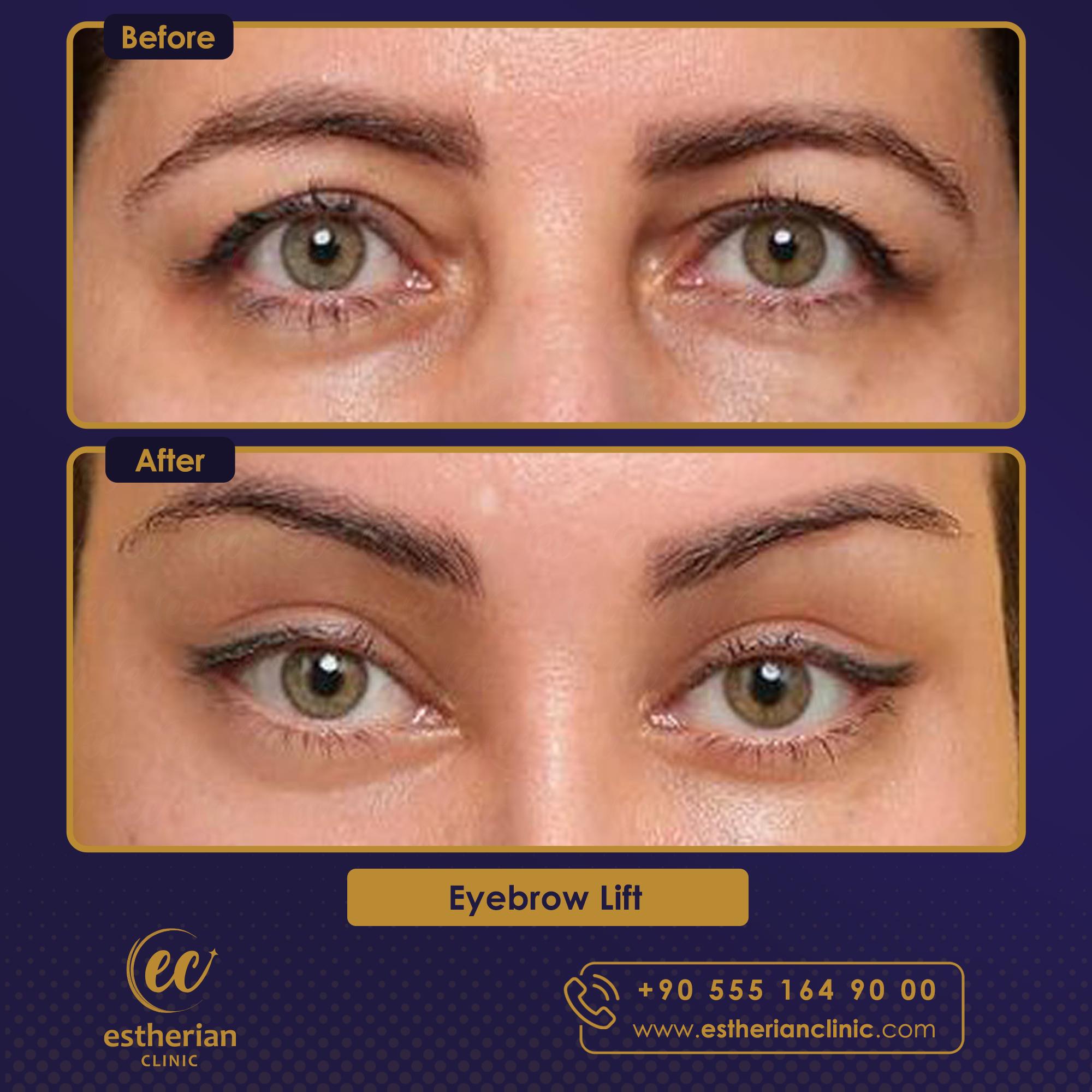
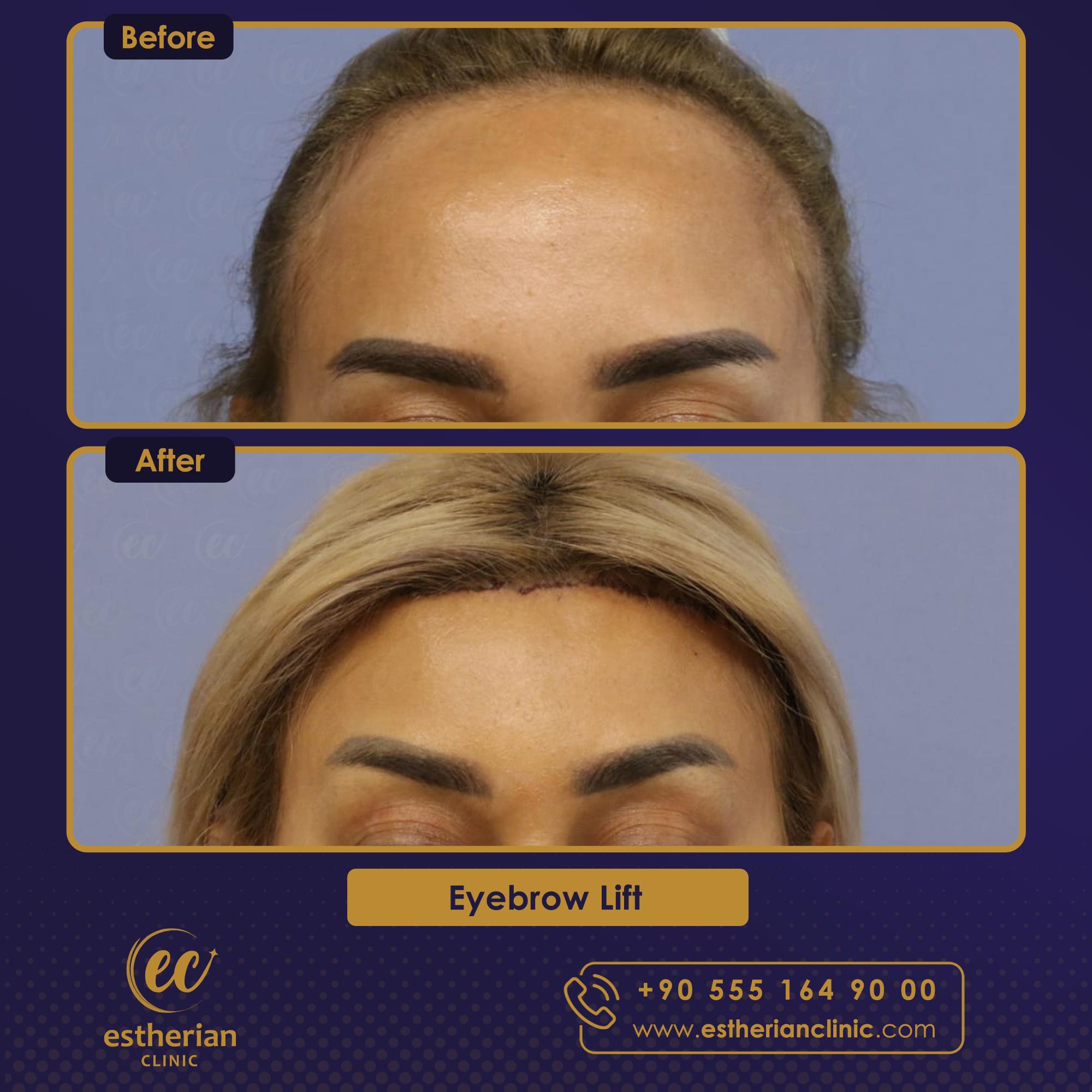
The results of temporal lift and Fox Eyes become evident gradually as swelling decreases and tissues heal. Temporal lift repositions the temples and eyebrows, providing a more rejuvenated appearance and a more open-eyed look. Fox Eyes create an almond-shaped and widened eye effect, giving the face a more feline and youthful appearance. Results vary from individual to individual, and it's important to discuss realistic expectations with the surgeon before the procedure.
Long-term Maintenance
To preserve the long-term results of temporal lift and Fox Eyes, it's essential to follow the surgeon's recommendations for postoperative care and regular follow-up. This may include wearing bandages or compresses during the initial healing period, using scar-healing creams and sunscreen, as well as follow-up visits to assess healing progression and ensure desired results are maintained.
Recovery
After surgery, it is normal to experience some swelling, bruising, and sensitivity in the treated areas. The surgeon will provide detailed postoperative instructions, including recommendations for wound care, medications to relieve pain, and guidelines for resuming normal activities. Recovery time may vary from individual to individual, but generally, it is advisable to plan for a recovery period of about one to two weeks.
FAQ







Before / After Results
3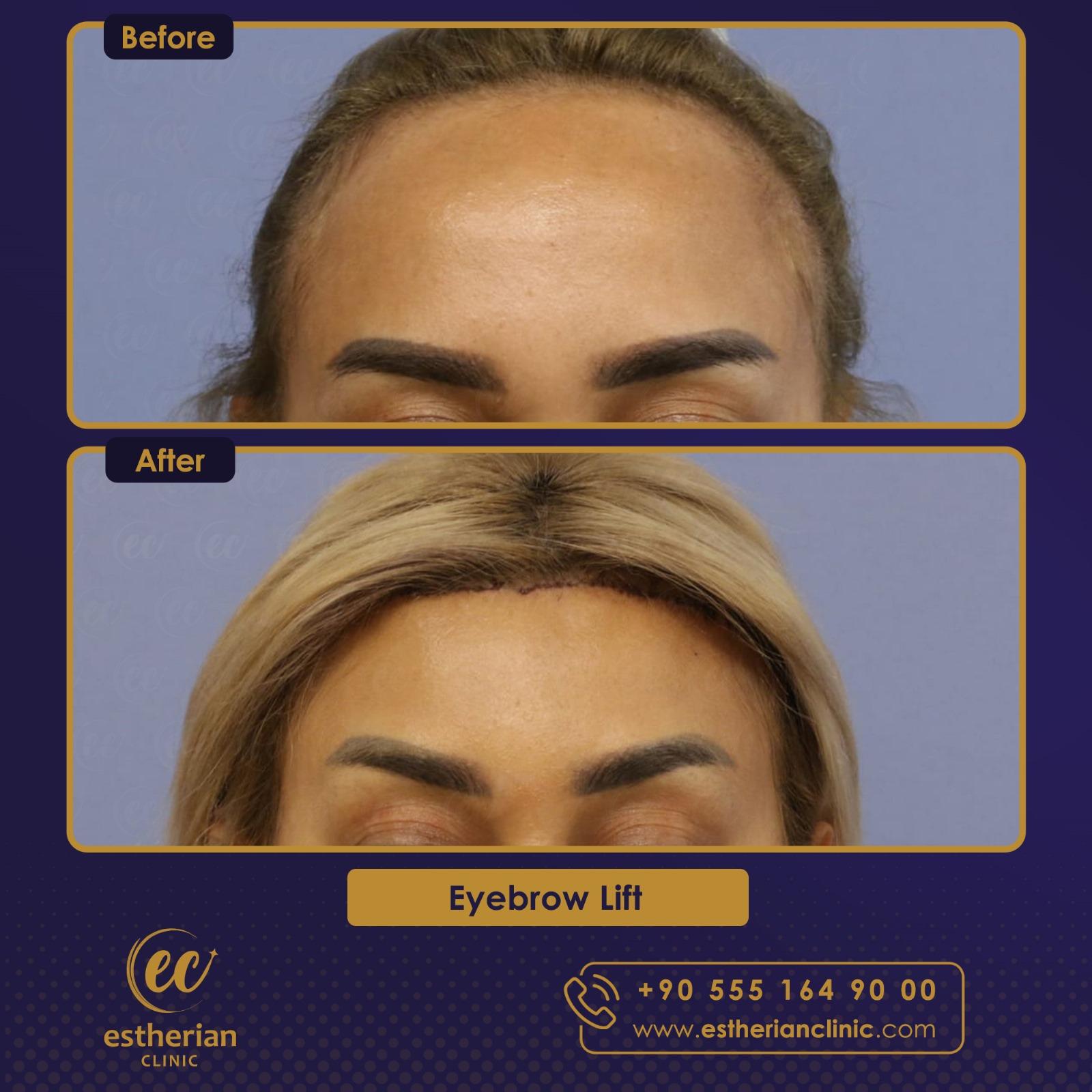
Before / After Results