
The Afro FUE hair transplant is a specific procedure intended for people of African or Afro-Caribbean origin who wish to restore the density of their hair or fill in bald areas. However, this procedure presents additional challenges and complexity due to the unique characteristics of afro hair.
AFRO FUE details
AFRO FUE
Prices
About
FUE hair transplantation is known to be less invasive than FUT. Its main advantage is the method of follicle extraction, which leaves no linear scars.
FUE AFRO is specific due to the curved nature of the bulbs inside the skin, making them particularly difficult to extract.
Characteristics of Afro Hair
Afro hair has characteristics that make it different from other hair types. It has a spiral structure, is thicker, curly, and tends to be more fragile. These characteristics pose challenges during hair transplantation.
Reality of Global FUE Afro Offer
Very few practitioners worldwide master this practice. The difference in Afro hair in FUE is mainly during extraction. Extracting the entire bulb without damaging it is the main challenge of FUE hair transplantation on Afro hair.
Specific Technique: Afro FUE
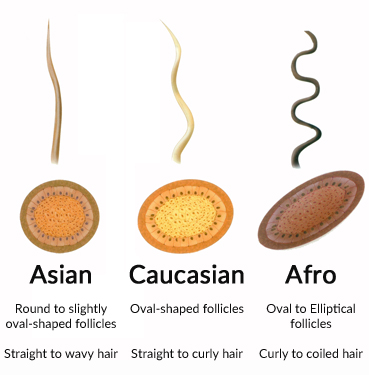
Photo credit: https://www.belgraviacentre.com/blog/hair-types-and-race-differences
Afro FUE is a hair transplantation technique specially adapted to Afro hair. It involves the individual extraction of hair follicles from the donor area and their transplantation into the target areas. However, due to the curvature and structure of Afro hair, this procedure can be more complex and require additional expertise.
Ethnic FUE or Afro FUE Method
Each method for obtaining viable grafts varies depending on the practitioner. It is the procedure for extracting and isolating grafts in the donor area that changes. Some practitioners use a 3-step isolation or wider punches and/or specific shapes.
For implantation, the method is the same:
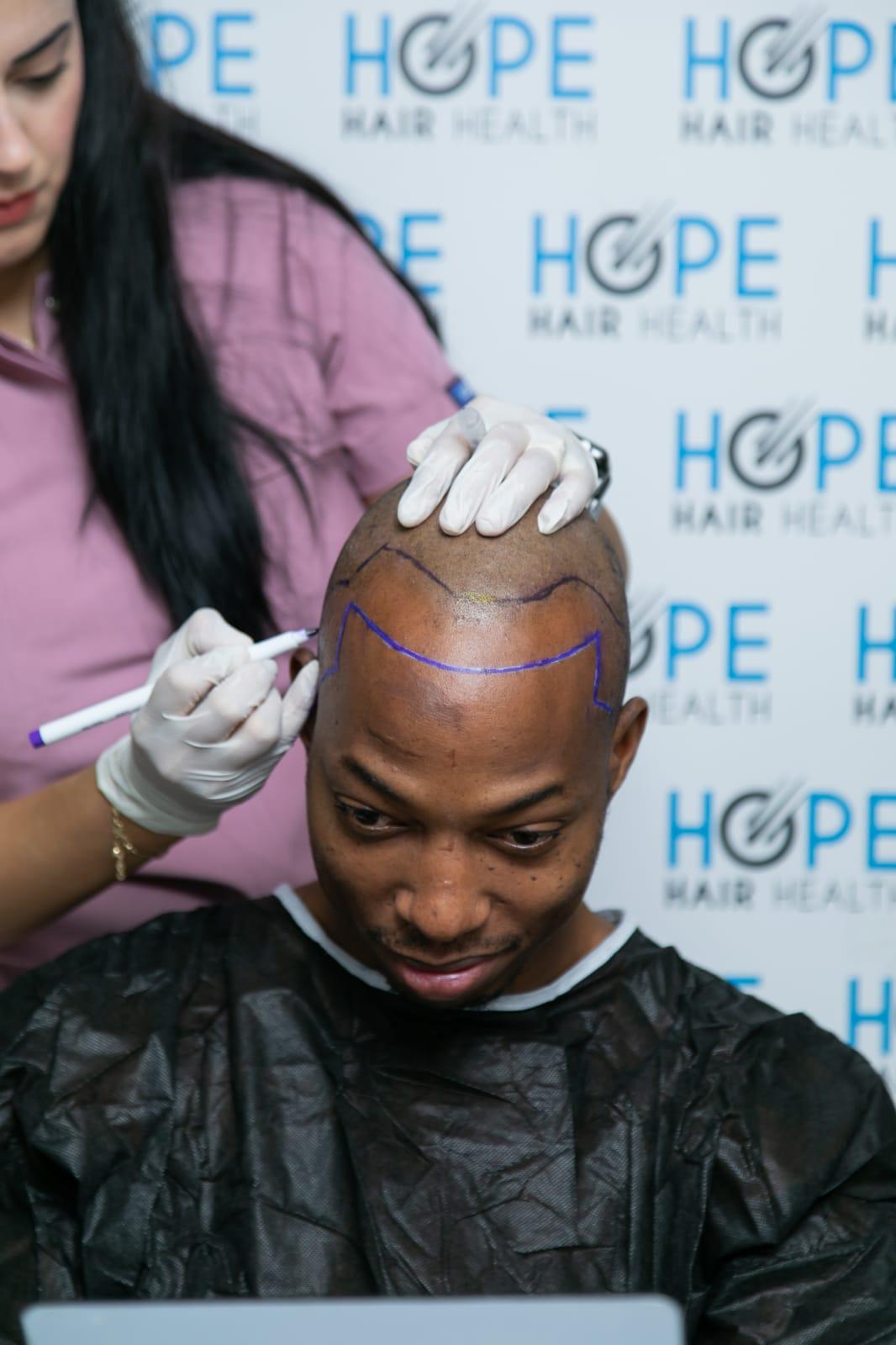
The method involves such small incisions (thanks to "custom blades" and "Sapphire" blades) that the placement of hair follicles is much more precise, allowing for high density while maintaining a very natural result. This result is achieved thanks to the use of "custom" and "Sapphire" blades, which allow for the finest and closest incisions in modern grafting.
For the donor area, the principle of FUE is the same. Isolations in the donor area are so small that they leave almost undetectable micro-scars to the naked eye, allowing for very short hair without visible traces of the intervention.
Attention: Regardless of the hair transplantation method, there will always be micro-scars, even for FUE. An "invisible" graft does not exist, so be vigilant as a patient between reality and marketing.
Differences Between Caucasian and Afro Hair
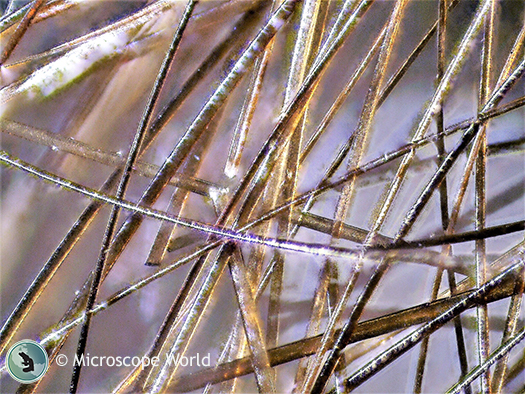
Caucasian hair under a microscope: Photo credit: https://www.microscopeworld.com/p-3349-hair-analysis-under-the-microscope.aspx
Straight hair allows the bulb to be isolated in the continuity of the hair with minimal risk of transection if the gesture is performed correctly. Isolating the hair bulb in the skin can be done quickly and continuously in the donor area without presenting particular risks, provided that an experienced practitioner performs the procedure.
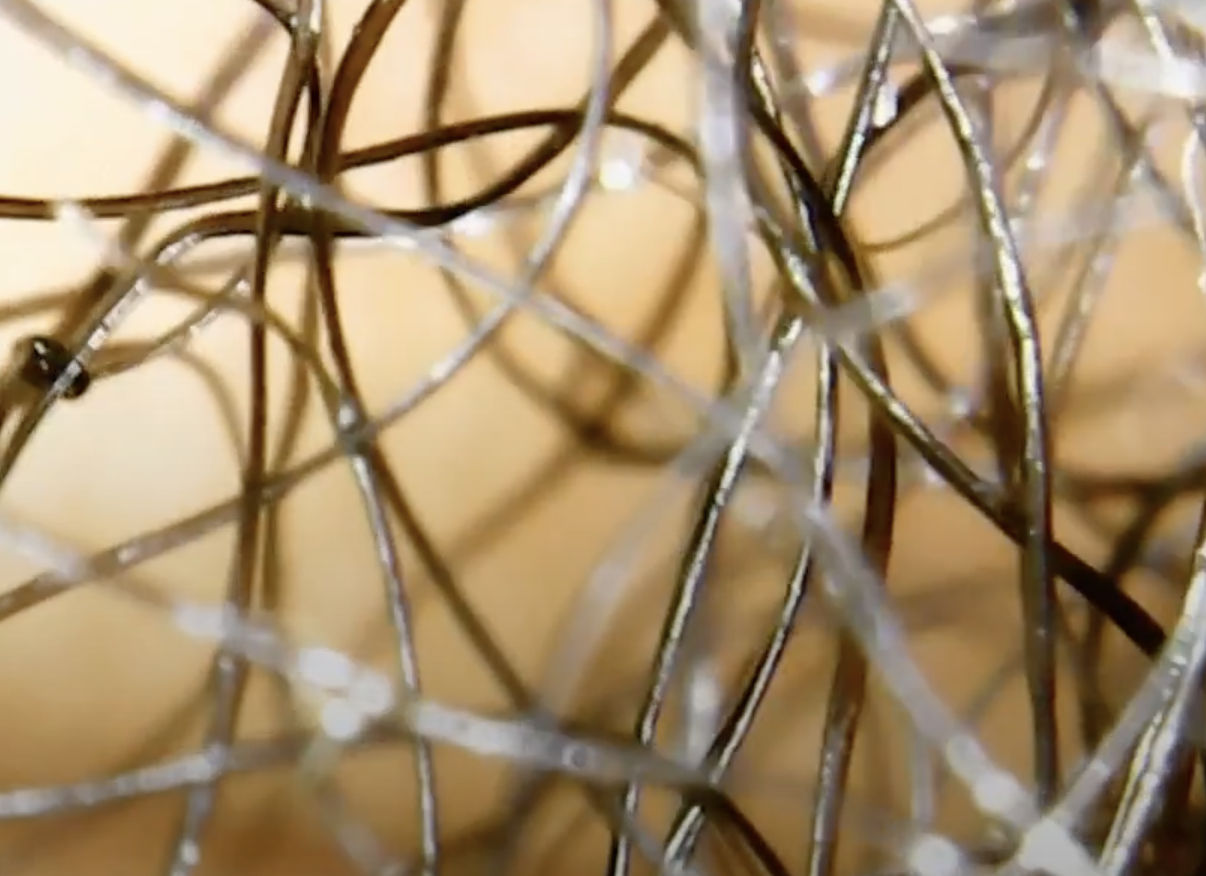
Afro hair under a microscope
Afro hair is already twisting, and the curvature is clear even under significant magnification. Comparing it with Caucasian hair helps better understand the difficulty of the bulb in the skin, which is also curved. Isolating an Afro bulb presents a significant risk of transection. Isolating the hair bulb in the skin cannot be done quickly and continuously throughout the donor area. Expertise and continuous monitoring during the isolation process are required.
Challenges of Afro FUE Hair Transplantation
Afro FUE hair transplantation presents several challenges, including:
- The curvature of hair follicles makes extraction more delicate and requires precise manipulation.
- The density of Afro hair may be lower, requiring careful planning to achieve natural and aesthetically satisfactory results.
- Healing may be different in individuals of African origin, requiring special attention to minimize the risks of complications.
Indications for Afro FUE or Ethnic FUE Hair Transplant
FUE hair transplant on Afro hair addresses the same conditions as standard FUE.
Mainly:
- Common male pattern baldness.
- Traction alopecia.
- Correction of physiological scalp issues.
Traction alopecia is much more common in female patients with Afro hair due to more frequent braiding.
Expected Results
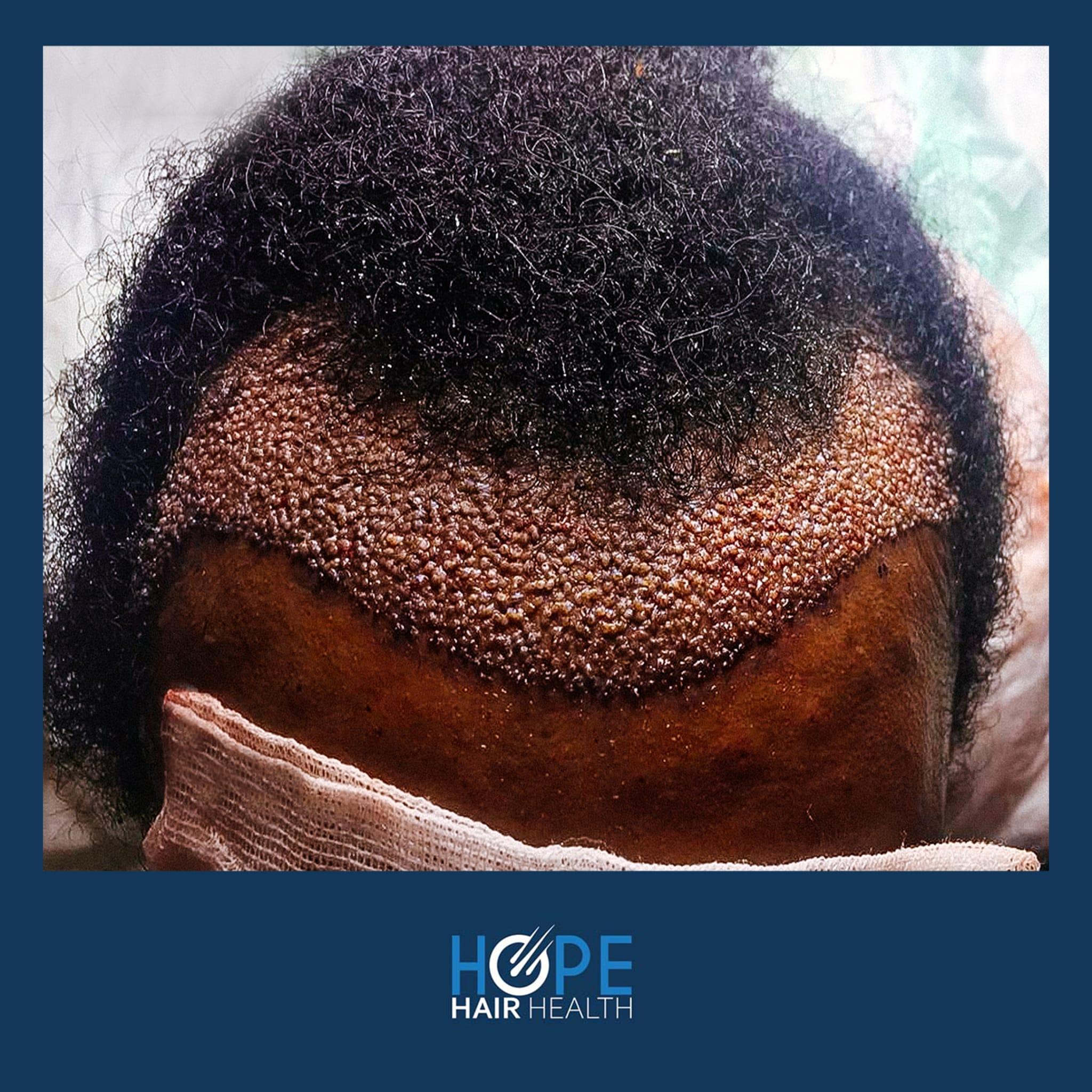
Despite the challenges, Afro FUE hair transplantation can offer satisfactory results. Transplanted hair will naturally grow, creating a denser appearance and filling in bald areas. Results vary from person to person, but with careful planning and the expertise of a specialized surgeon, aesthetically pleasing results can be achieved.
Precautions to Take
To maximize the chances of success and minimize risks, it's important to take certain precautions during Afro FUE hair transplantation:
- Choose a surgeon specialized in Afro FUE hair transplants with proven experience.
- Discuss your expectations and desired outcomes in detail during the initial consultation.
- Ensure you have good overall health before undergoing the procedure.
- Follow the post-operative instructions provided by the surgeon to ensure optimal recovery.
Afro FUE hair transplantation is a complex procedure that requires specific expertise due to the unique characteristics of Afro hair. By selecting a qualified surgeon and taking necessary precautions, satisfactory and natural results can be achieved.
Recovery
There is no difference in recovery compared to standard FUE:
Crusts form and fall off after about 15 days.
After 15 days, traces of the procedure are almost gone.
Swelling may occur between the 3rd and 5th day.
Transplanted hair falls out after 1 to 2 months, and 10 to 15% regrows starting from the 3rd month, continuing each month.
Regrowth will extend over 12 to 15 months before achieving your final result.
FAQ


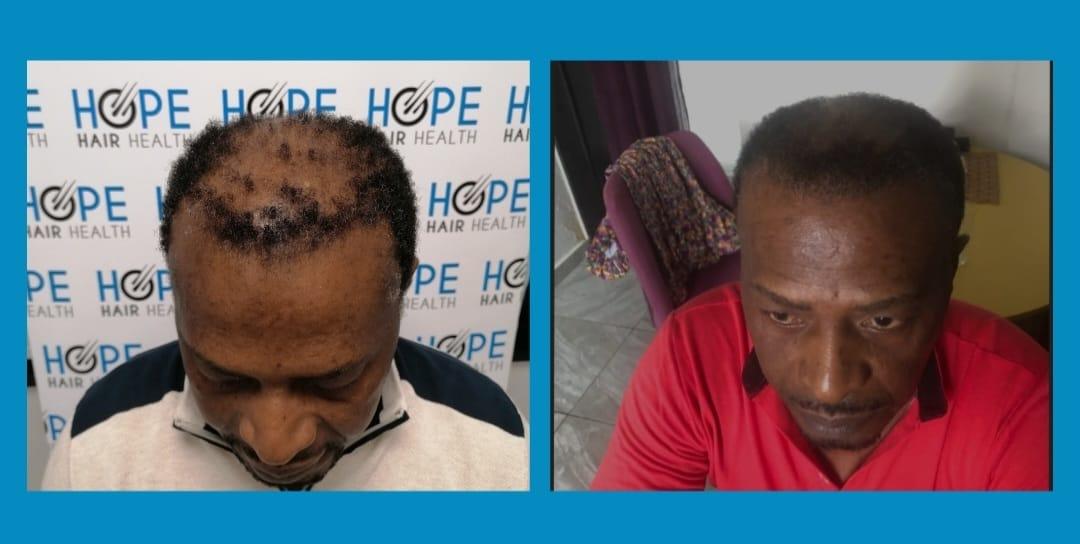
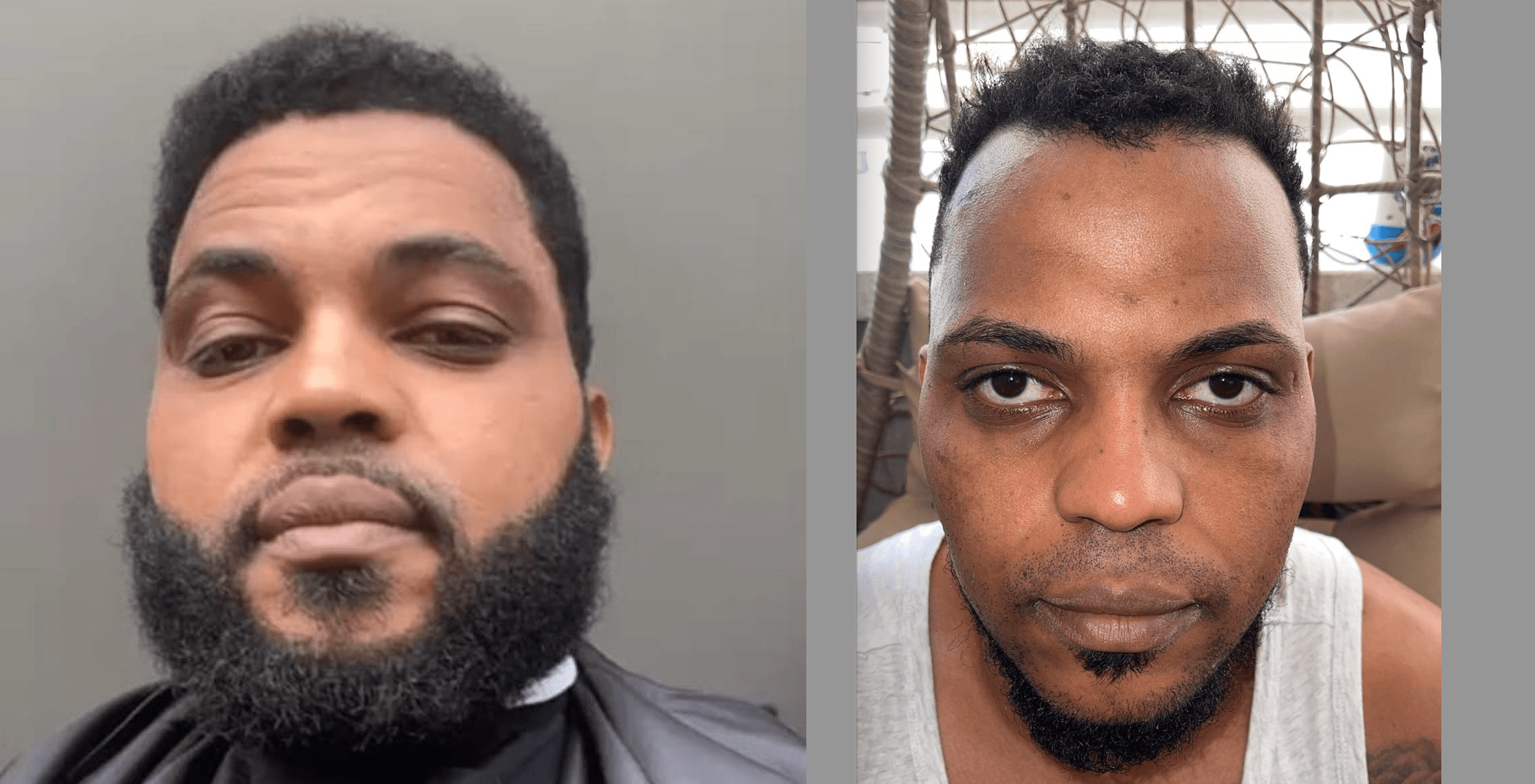
Before / After Results
5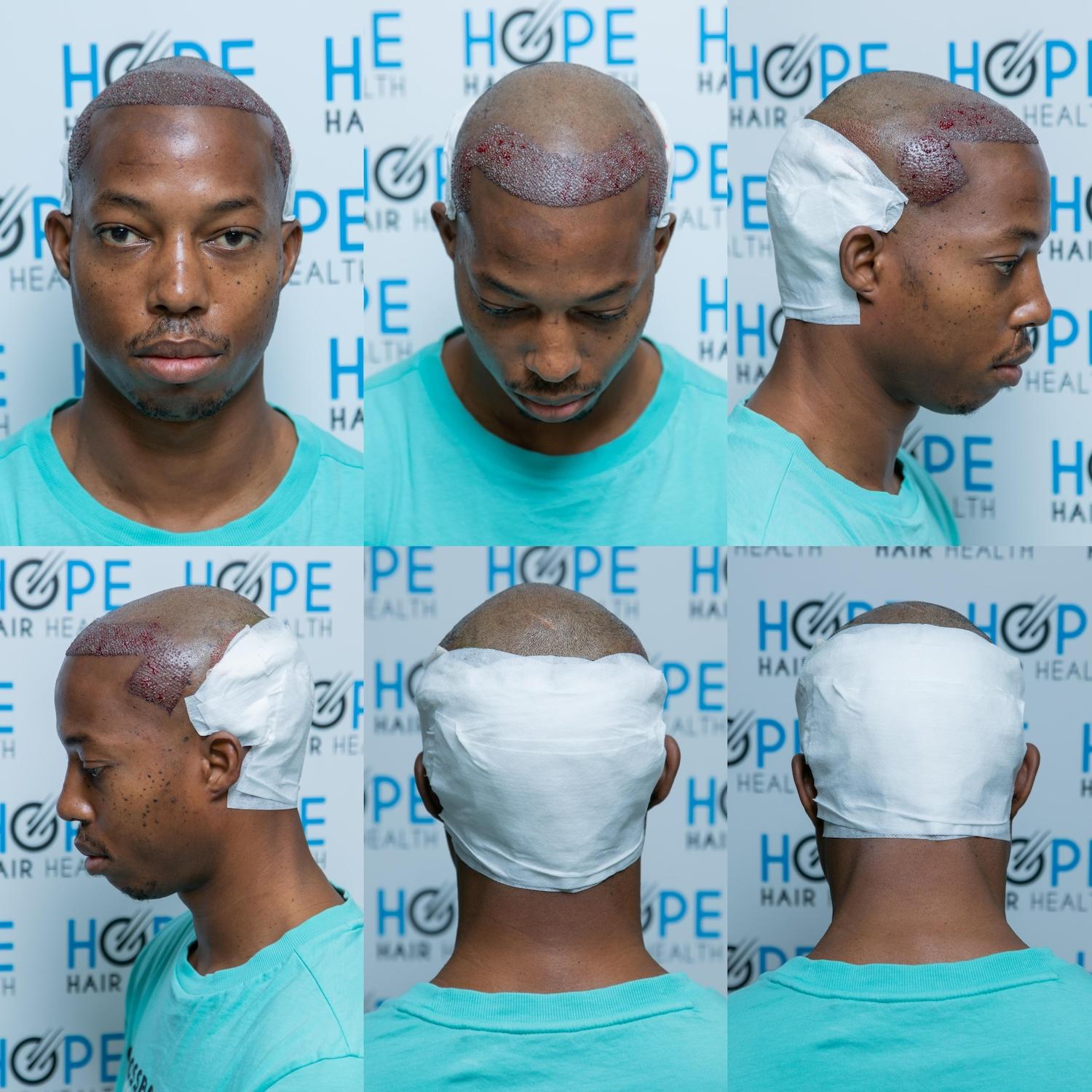
Before / After Results