
4.3 · 16 reviews
4.3 · 16 reviews
Obesity Surgery
Gastric Balloon, Sleeve, Bypass, Swallowable Balloon Effective and Proven Weight Loss Solutions
The World Health Organisation today speaks of an obesity epidemic in the modern world. The effective and radical weight loss solutions of Bariatric medicine include the gastric balloon, the dissolvable balloon, the sleeve gastrectomy, the b
Top offers
Treatments
11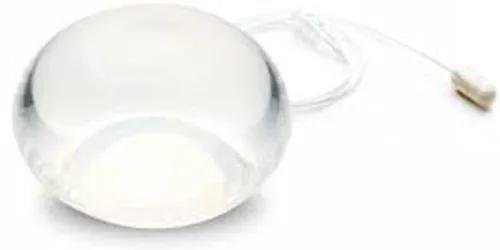
Gastric Balloon
The gastric balloon is a non-surgical procedure used for weight loss in individuals suffering from obesity. It is a popular method that can be performed abroad, providing an effective solution for patients seeking safe and affordable bariatric options.

Sleeve Gastrectomy
The Sleeve Gastrectomy procedure involves removing a large portion of the stomach to form a tube. The amount of food and the speed of absorption are drastically and permanently reduced. Weight loss is long-lasting and significant, requiring the patient to change their eating behavior. With a gastric sleeve, patients can generally lose between 15 and 40 kilograms, depending on their body size, sometimes even more. By physically reducing the size of the stomach, the sleeve dramatically alters the body's response to food consumption. Patients no longer feel hungry, and weight loss occurs over the months and years following the procedure. The risk of weight regain is extremely low in the long term.

Gastric Bypass
The objectives of a sleeve or bypass are of course an overall improvement in health, and even better life expectancy. Severe obesity is a serious factor in long-term poor health which shortens the life expectancy of patients and causes a whole series of serious pathologies which will reduce the comfort of life (diabetes, cardiovascular problems, etc.). ;Gastric Bypass is an effective and proven surgical procedure for weight loss in people suffering from severe obesity. It helps reduce the size of the stomach and bypasses part of the small intestine, resulting in decreased caloric intake and altered nutrient absorption. Patients are no longer hungry and weight loss is achieved in the months and years following the intervention. The risks of weight regain are extremely low in the long term.

Gastric Botox
The gastric botox procedure, an innovative intervention for those looking for a less invasive alternative to weight loss surgery. Gastric Botox is a non-surgical procedure used to reduce appetite and promote weight loss. It is a popular option for people who want support in their weight loss journey without undergoing invasive surgical intervention.
6 months Gastric Balloon
The 6-month gastric balloons are designed to provide temporary support in the weight loss process. Here are some features and popular brands of 6-month gastric balloons: Obalon Swallowable Balloon…
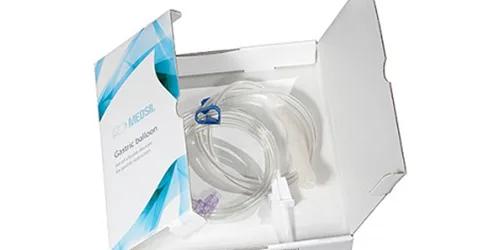
12 months Gastric Balloon
Gastric balloons designed to last 12 months are intended to provide long-term support in the weight loss process. Here are some features and popular brands of 12-month gastric balloons: Orbera…
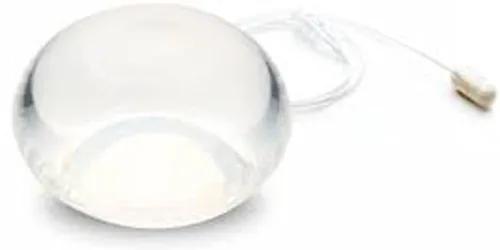
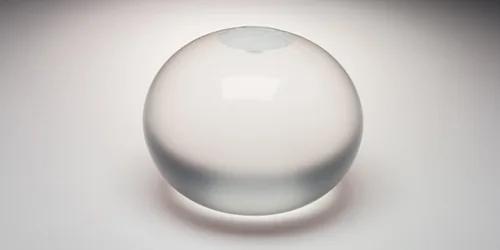
Swallowable Balloon Elipse
The Elipse gastric balloon by Allurion swallowed as a pill which then is inflated with liquid once in the stomach. Once in place it creates a sensation of fullness and facilitate weight loss and will dissolve after a few months and be evacuated by the body.
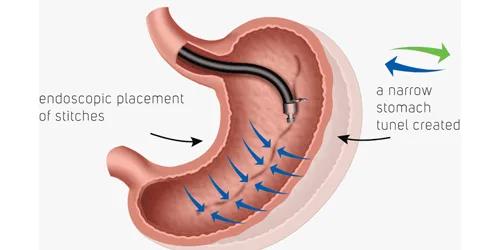
Endoscopic Sleeve Gastroplasty
Endo Sleeve or Endoscopic Obesity TreatmentThe Endosleeve is an innovative, non-invasive surgical procedure for weight loss. It involves reducing the size of the stomach using advanced endoscopic technique, without external incisions, allowing for a faster recovery and effective results.The endoscopic gastroplasty or Endo sleeve (ESG) involves suturing the wall of the stomach. Therefore, it's a procedure that delivers the same results as a sleeve surgery but is reversible.
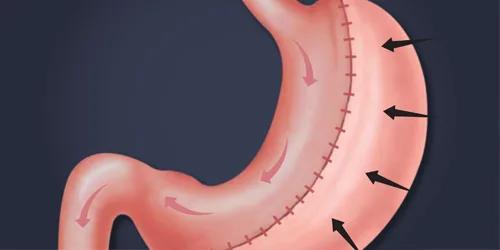
Revision Sleeve ( Re Sleeve)
Re-sleeve, the surgical procedure for weight loss in cases of weight regain after a first bariatric surgery. If you have already undergone a sleeve gastrectomy in the past, but have not achieved your weight loss goals or have regained weight, the Re-Sleeve or sleeve revision may be an interesting option for you.

Orbera balloon
Orbera Gastric Balloon Orbera Gastric Balloon: Orbera is one of the most recognized brands of gastric balloons. Their gastric balloon is made of a soft silicone material and is filled with a saline…
Spatz3 Gastric Balloon
Understanding Spatz3 Adjustable Gastric Balloon The Spatz3 is a groundbreaking Adjustable Gastric Balloon, offering effective weight loss solutions and transforming your relationship with food. How…